
Description
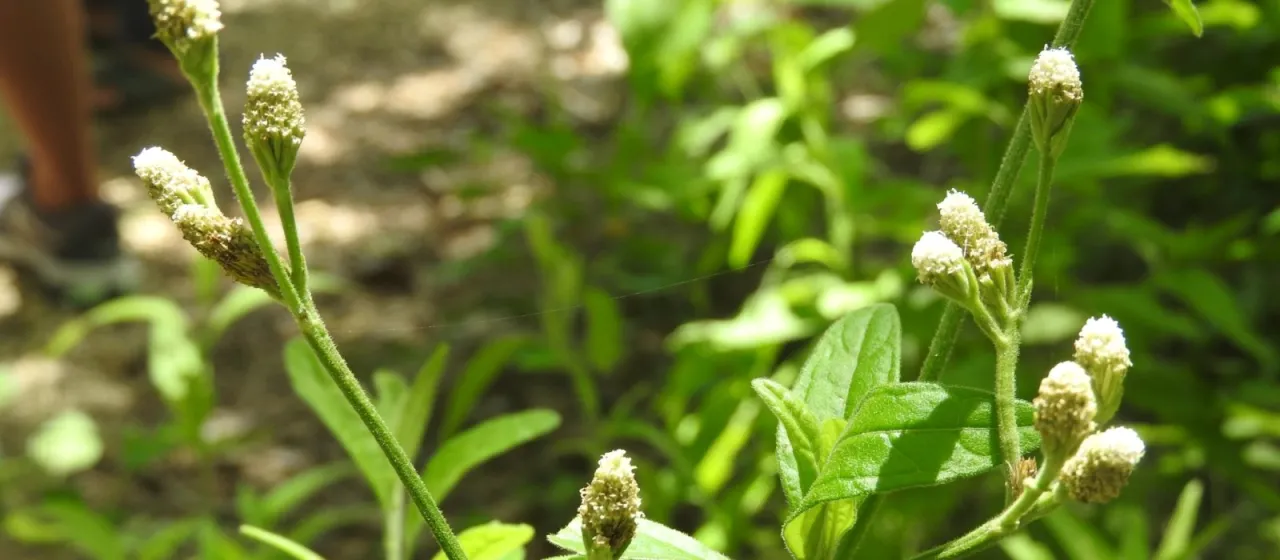
Isocarpha oppositifolia is a herbaceous perennial plant belonging to the large Asteraceae family. In the field of specialized agriculture, this species is recognized for its potential as a source of phytochemicals, attracting interest for botanical research and potential small-scale cultivation in suitable climates.
The plant originates from the tropical regions of the Americas, including parts of the Caribbean and Central America. Its native range spans diverse habitats, from humid lowland thickets to slightly elevated tropical areas, indicating a preference for stable, warm environments and high humidity levels.
Botanically, it is characterized by its opposite leaves and typical composite flower heads. The structure of the plant allows it to thrive in competitive environments, often growing in dense groupings. The root system is resilient, adapted to the moisture-rich soils of its native habitat, which is crucial for its survival and proliferation.
For successful cultivation, Isocarpha oppositifolia requires well-drained, nutrient-rich soil and consistent tropical or subtropical temperature ranges. In terms of agronomy, it is essential to manage soil moisture carefully to prevent root rot while ensuring enough hydration for steady vegetative growth throughout the season.
- Propagation via seeds or vegetative cuttings.
- Maintenance of moderate sunlight exposure for optimal growth.
- Regular soil aeration to prevent compaction.
- Controlled harvesting to encourage secondary vegetative flushes.
The primary agricultural and economic value of this plant lies in its potential applications within the pharmaceutical and nutraceutical sectors. Given the presence of various bioactive compounds, it has been traditionally used in local medicinal practices, and ongoing studies aim to standardize its cultivation for industrial extraction of these specific health-promoting compounds.