
Description
Isocoma acradenia, commonly known as alkali goldenbush, is a perennial subshrub belonging to the Asteraceae family. This species is highly specialized for arid environments, demonstrating remarkable physiological adaptations to desert ecosystems. In modern agricultural and ecological contexts, it is increasingly viewed as a valuable species for dryland restoration and sustainable water-wise landscaping.
The native range of this species encompasses the desert regions of the southwestern United States and northern Mexico, including the Mojave and Sonoran Deserts. It is typically found in alkaline soils, dry washes, and alluvial plains. Its natural distribution is a testament to its capacity for thriving in environments where salinity and extreme temperatures pose severe limitations for most other botanical species.
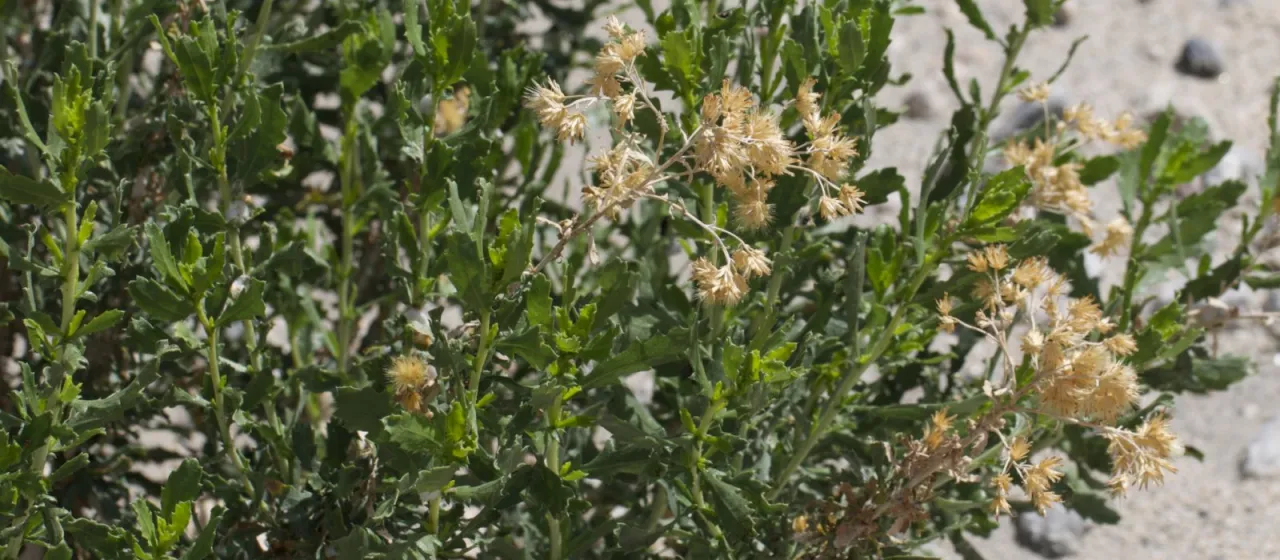
Botanically, Isocoma acradenia is characterized by its resinous, sticky foliage, which reduces transpiration during peak heat. The plant develops into a rounded shrub, reaching up to one meter in height. Its most recognizable feature is the abundance of bright yellow discoid flower heads that emerge in late summer and autumn, providing a critical late-season food source for pollinators in desert habitats.
Cultivation requirements for this shrub are minimal, focusing primarily on replicating its natural habitat. It demands full sun exposure and sandy, well-draining soil. It is inherently drought-tolerant and requires virtually no supplemental irrigation once established. Overwatering or planting in poorly drained soil is the most common cause of plant failure, leading to root rot and diminished vigor.
The practical application of Isocoma acradenia focuses on land management and ecological stability rather than traditional crop production. Its primary uses include:
- Stabilizing loose desert soils to prevent wind erosion.
- Restoring degraded lands in saline-prone areas.
- Supporting native insect populations in xeriscaping projects.
In terms of plant health, this species is relatively hardy. However, it can be susceptible to infestations by aphids and certain species of spider mites during extended dry spells. Fungal pathogens are largely limited to scenarios where high humidity and poor soil drainage are present, emphasizing the importance of site selection in any attempt to introduce this plant into managed landscapes.