
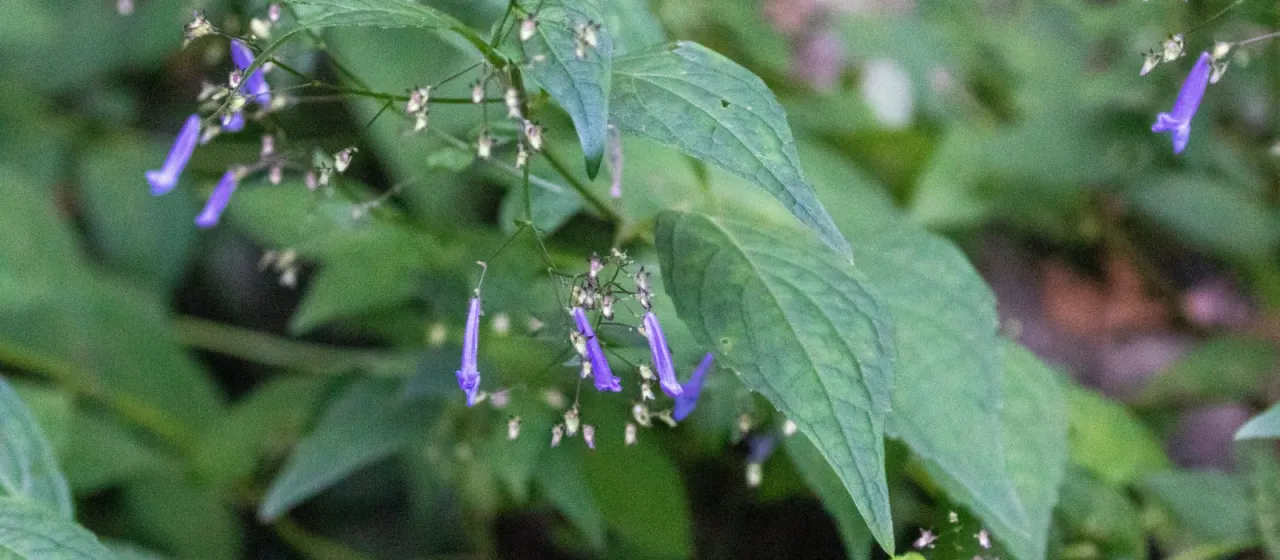
Description
Isodon effusus is a perennial herb belonging to the Lamiaceae family. It is a recognized agricultural crop in specialized sectors, particularly in herbal medicine production and sustainable gardening, valued for its complex chemical profile and adaptive growth habit.
The plant originates from East Asia, primarily inhabiting temperate regions with moderate precipitation levels. Its cultivation range has expanded globally through controlled trials, focusing on environments that mimic its natural habitat. It thrives in temperate zones, provided it is protected from extreme temperature fluctuations.
Botanically, Isodon effusus is characterized by its branching stems and opposite foliage. The species name effusus refers to its spreading, loose inflorescences which hold clusters of small flowers. The root system is fibrous and dense, enabling the plant to establish itself firmly in well-structured, loamy soils.
Agronomic requirements for this crop include well-drained, fertile, and nutrient-rich soil with a slightly acidic to neutral pH. A critical aspect of successful cultivation is maintaining consistent soil moisture, as the plants do not tolerate prolonged waterlogging. Providing a semi-shaded environment helps to prevent leaf scorch and promotes healthy biomass production.
The main commercial utility of Isodon effusus lies in its pharmaceutical applications, specifically the extraction of bioactive diterpenoids. Apart from its industrial importance, it serves as a valuable ornamental plant for biodiverse landscapes. Pest control mainly targets aphids and soil-borne pathogens, which are best managed through rigorous crop rotation and sound soil management practices.