
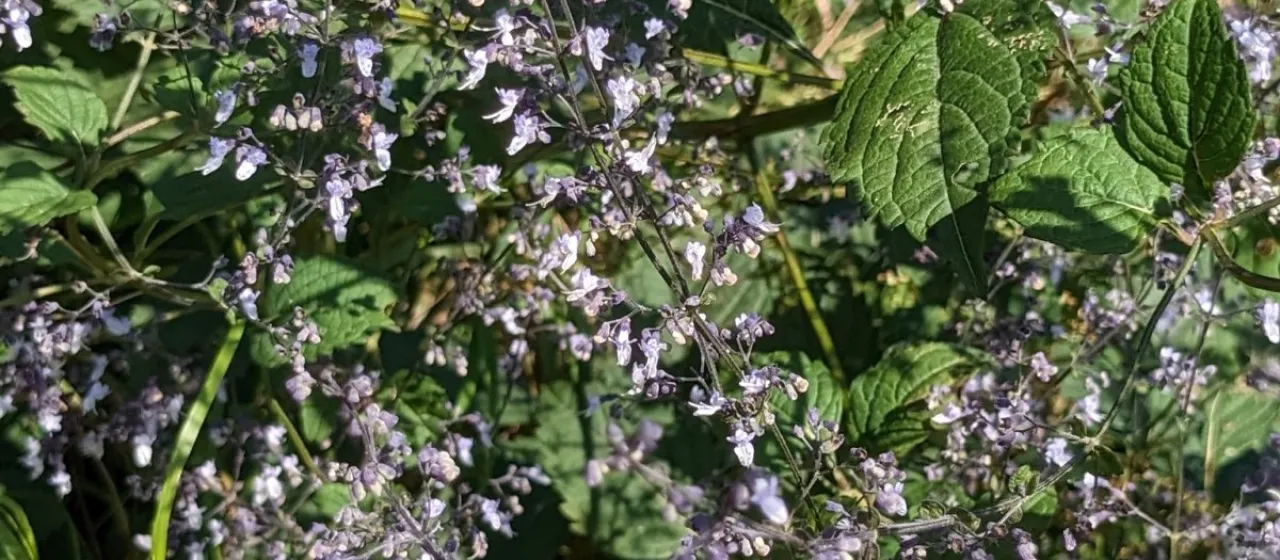
Description
Isodon japonicus is a perennial herbaceous plant belonging to the Lamiaceae family. Often recognized for its pharmacological significance, this crop is a valuable source of diterpenoids, which are widely investigated for their potential health benefits in both traditional and modern medicine.
The plant is native to East Asia, specifically Japan, China, and Korea. In its natural habitat, it thrives in damp mountain forests and shaded slopes. As an agricultural crop, it is cultivated in regions that provide a temperate climate, focusing on preserving the natural integrity of the plant to maximize the concentration of active medicinal compounds.
Botanically, Isodon japonicus is characterized by an erect, branched stem that can reach up to 1 meter in height. Its leaves are opposite and serrated, while its inflorescences consist of small, delicate flowers that typically bloom in late summer. The plant possesses a robust root system that helps it withstand fluctuating environmental conditions.
Successful cultivation requires soil that is rich in organic matter, well-drained, and maintains a neutral pH balance. Agronomic practices focus on consistent irrigation, especially during dry spells, as the plant is sensitive to water stress. Additionally, weeding is essential in the early stages of development to prevent resource competition and ensure vigorous growth.
The primary economic value of the crop lies in the pharmaceutical industry. Due to its potent anti-inflammatory, antibacterial, and potential anticancer properties, various parts of the plant are harvested for extract production. Farmers often grow this crop under contract for herbal supplement manufacturers, highlighting its role as a specialized cash crop.
- Soil preference: Loamy, nutrient-rich soil.
- Watering: Moderate to high moisture levels.
- Common pests: Aphids and spider mites.
- Diseases: Root rot caused by poor drainage.
- Harvesting time: Mid-to-late flowering stage.