Job's tears
Coix lacryma-jobi L.
Description
Job's tears (lat. Coix lacryma-jobi L.) is a tropical plant belonging to the grass family Poaceae. This cereal crop is widely known for its distinct, hard-shelled fruits that resemble beads, which has earned the plant its common English name. While often grown for ornamental purposes, it is also a vital agricultural crop in parts of Asia.
The plant originates from Southeast Asia, where it has been traditionally cultivated for centuries. Its range includes various tropical and subtropical regions globally, as it thrives in humid conditions and warm climates. It is frequently seen in India, China, and Southeast Asian countries where it is valued both as a food source and a medicinal herb.
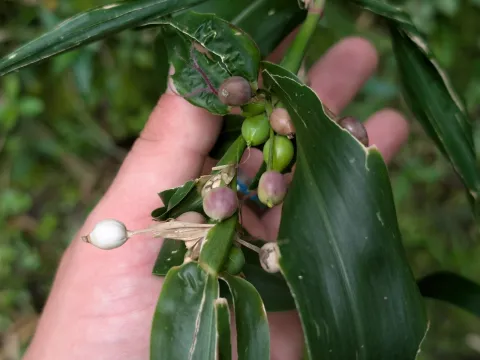
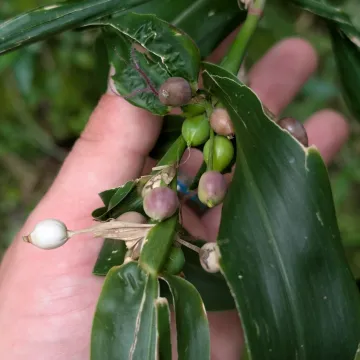
Botanically, Job's tears is a vigorous annual grass that can reach heights of over one meter. It features robust stems and long, blade-like leaves. Its most distinctive feature is the pearly, white, gray, or bluish hardened involucres (modified leaves) that surround the female flowers, providing a protective case for the developing grain within.
The agricultural requirements for Job's tears involve warm temperatures and a high level of soil moisture. It grows best in fertile, loamy soils that can retain water but have good drainage to prevent root rot. It is typically planted in rows during the late spring to ensure the crop has enough time to reach maturity during the warm growing season.
Economic uses of the crop are diverse and range from industrial to artisanal:
- Food industry: The polished kernels are used in porridges, soups, and teas.
- Pharmacology: It is highly valued in traditional medicine for its nutritional and healing properties.
- Ornamental crafts: The hard, bead-like fruits are traditionally used to make rosaries, necklaces, and various decorations.
Common agricultural challenges for this crop include fungal infections such as leaf spot and rust, which are triggered by high humidity levels. Insect pests like aphids and grain borers may also affect the yield. Maintaining a proper planting density and ensuring good field hygiene are the primary strategies to keep these plants healthy throughout the growing cycle.
Photo gallery