
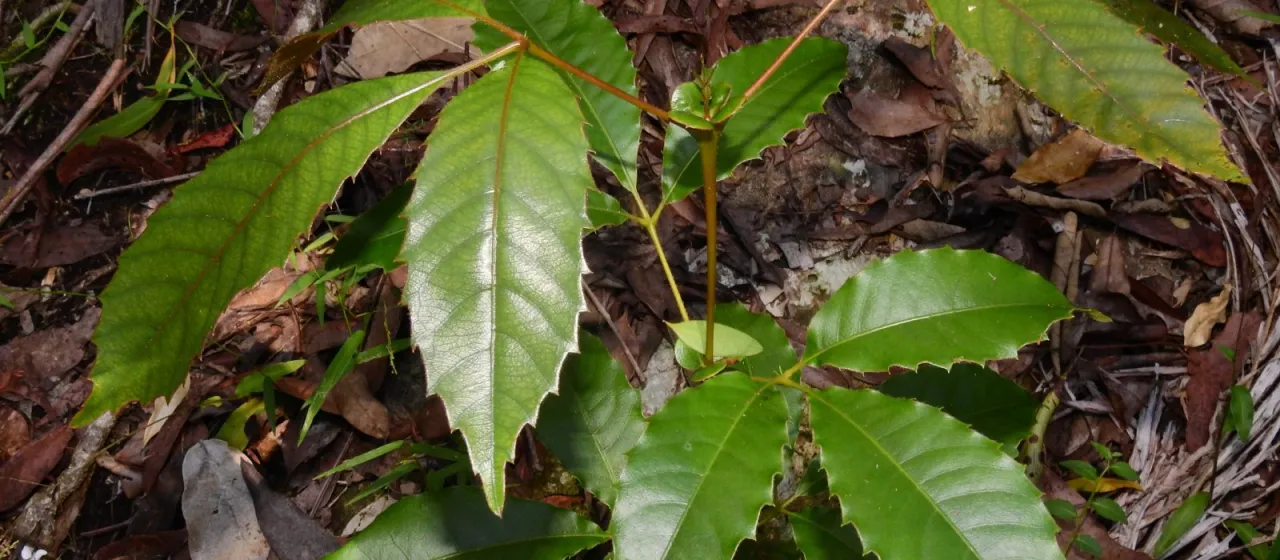
Description
Karrabina benthamiana is a significant evergreen tree species belonging to the Cunoniaceae family. Recognized for its structural integrity and ecological role, this species is native to the rainforest regions of northeastern Australia, where it occupies specific niches within the canopy and sub-canopy layers.
The origin of this species is strictly tied to the tropical and subtropical coastal environments of Queensland. It thrives in regions characterized by consistent rainfall and mild temperatures, making it a specialized species that requires precise environmental conditions to reach its full development potential.
Botanically, the tree is noted for its leathery, opposite leaves and robust trunk growth. Its root system is highly adapted to nutrient-rich forest soils, often forming symbiotic relationships with local mycorrhizal fungi. The flowering stage occurs periodically, producing dense clusters that support diverse pollinator populations, which is crucial for the natural regeneration of the species.
In terms of silviculture and agronomy, Karrabina benthamiana requires well-drained, acidic to neutral soils rich in humus. Cultivators must ensure the avoidance of drought stress during the establishment phase. Proper spacing in forest plots is essential to allow for crown expansion and to reduce the incidence of wind damage, as the species prefers the sheltered microclimates of dense forest stands.
The wood of Karrabina benthamiana is highly regarded for its physical properties, often utilized in high-end joinery and decorative carpentry. Regarding protection, the species is susceptible to specific tropical wood-boring insects and fungal pathogens if the trees are planted in sites with poor drainage or insufficient airflow. Proper monitoring and integrated pest management are recommended for sustainable forest cultivation.
- Family: Cunoniaceae
- Origin: Australia
- Plant Type: Evergreen tree
- Growth Preference: Humid, well-drained soils
- Main Uses: Fine carpentry, forestry management