
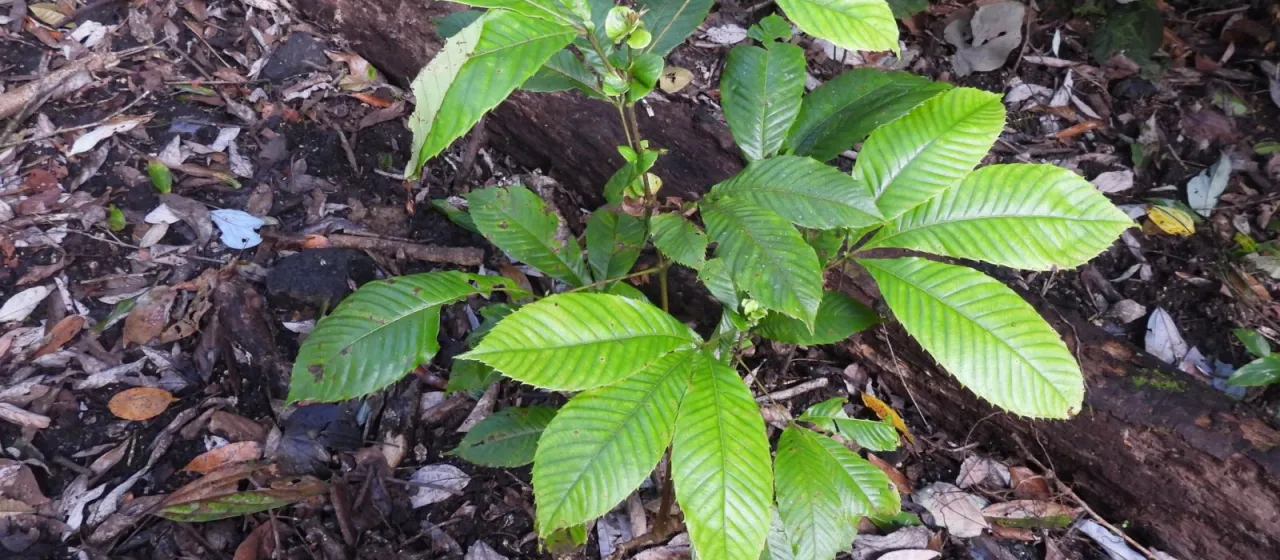
Description
Karrabina (Karrabina biagiana) is a specific botanical crop belonging to the Cunoniaceae family. Despite its rarity on a large industrial scale, the plant holds significant scientific and agricultural interest due to its biological resilience and a unique chemical composition that is currently being studied for the selection of new agricultural varieties.
The origin of this species is closely linked to the regions of Australia and Oceania, where the plant historically thrives in humid subtropical forest conditions. Its cultivation range is limited to specific climatic zones characterized by the absence of sharp temperature fluctuations and the maintenance of high relative humidity throughout the entire growing season.
Botanically, the crop is a woody plant characterized by a robust root system and dense, leathery leaves. The flowering of the plant is highly decorative, and the fruits form as dry or succulent capsules containing seeds adapted to natural dispersal within the ecosystem. The plant possesses a high capacity for the regeneration of vegetative organs.
Agronomic requirements include the necessity of maintaining loose, organic-rich soil with an acidic reaction (pH 5.0–6.0). The crop is extremely sensitive to waterlogging at low temperatures, making proper drainage a key success factor. In specialized farming conditions, mulching the base of the plant is recommended to stabilize soil temperature regimes.
The economic utilization of Karrabina biagiana focuses on biomass extraction for phytochemistry and its application in landscape design as an ornamental specimen. Common issues during cultivation include fungal infections caused by poor ventilation, as well as attacks by sucking pests (scale insects, thrips), which require regular phytosanitary monitoring.