Chervil
Anthriscus cerefolium (L.) Hoffm.
Description
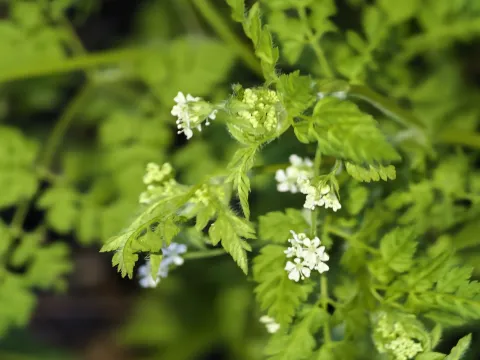
Chervil (Anthriscus cerefolium (L.) Hoffm.) is an annual herbaceous plant belonging to the Apiaceae family. Often referred to as "gourmet parsley," it is a popular agricultural crop known for its delicate leaves and a distinctive, subtle flavor profile that combines notes of parsley and tarragon.
Originally native to the Caucasus and Southern Europe, chervil has spread across temperate zones globally. It is widely cultivated in home gardens and commercial farms, particularly in regions where cool-season production is favored. The plant thrives in temperate climates and is highly regarded for its ability to provide a harvest early in the spring season.
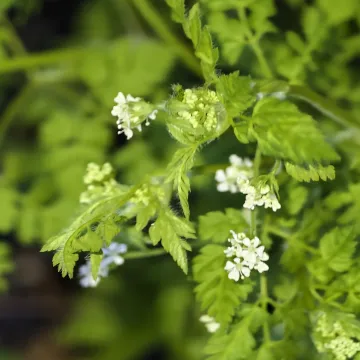
Botanically, the plant features finely divided, fern-like leaves and hollow, branched stems that reach a height of approximately 30 to 60 centimeters. The plant produces small white flowers in umbels once it begins to bolt. Because it is highly sensitive to heat and long daylight hours, farmers usually harvest it before it reaches the flowering stage to maintain leaf quality.
Regarding cultivation, chervil requires rich, well-draining soil with consistent moisture. It performs best in partial shade during warmer months, as direct, intense sunlight can cause the leaves to wilt or become bitter. Agronomic management includes regular irrigation to prevent premature bolting and careful weed control to ensure the crop does not compete for nutrients.
The primary use of chervil is in the culinary industry as a key ingredient in fine dining, particularly in French cuisine, where it is a component of the "fines herbes" blend. It is also valued for its mild medicinal properties. Producers should be aware of common issues such as powdery mildew and aphids, which can be managed through good crop rotation and consistent monitoring of the planting site.
Photo gallery