
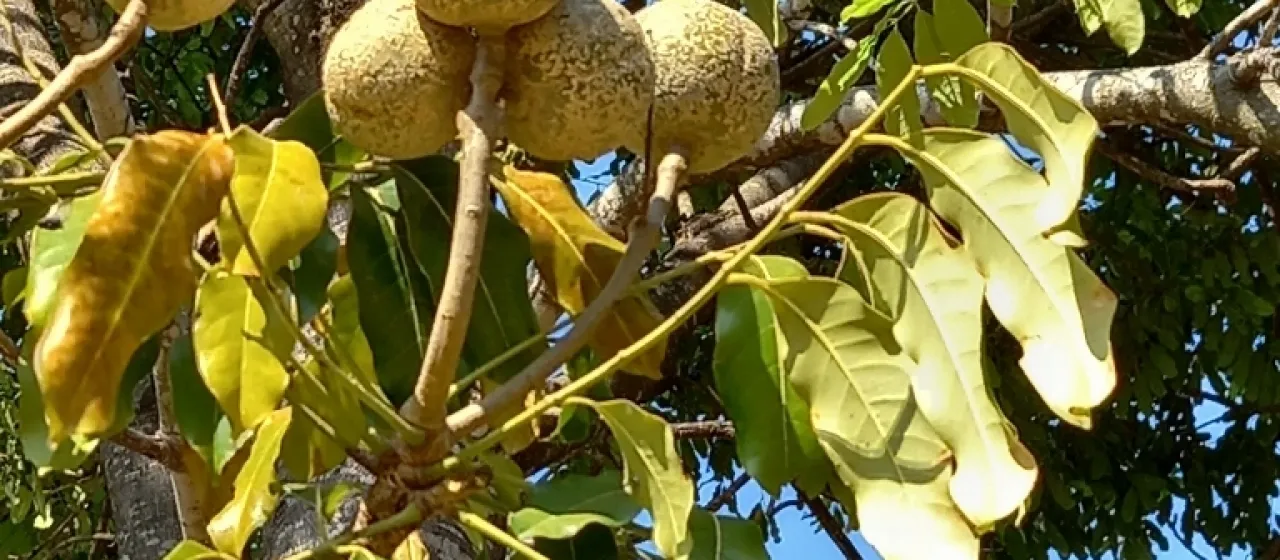
Description
Khaya anthotheca (Welw.) C. DC. is a prominent large-sized tree species belonging to the Meliaceae family. Commonly referred to as African mahogany or white mahogany, this species is highly regarded for its robust growth and the exceptional quality of its wood, which plays a pivotal role in the global timber market.
The species originates from the tropical regions of Africa, with a natural range extending across West, Central, and East Africa. It thrives primarily in moist tropical forests and riverine environments. As a forest tree, it can reach impressive heights, often serving as a key component of the rainforest canopy and contributing significantly to local biodiversity.
Botanically, Khaya anthotheca is characterized by its paripinnate leaves and smooth, greyish-brown bark. The tree produces small, fragrant white flowers followed by woody capsules containing winged seeds. These morphological traits facilitate efficient natural dispersal, although in managed forest plantations, seedlings are often nurtured in nurseries before transplantation.
Cultivation requirements for this species are specific: it prefers deep, well-draining, and nutrient-rich soils. It requires high annual rainfall and constant warm temperatures to flourish. In agricultural and forestry practice, silvicultural management is critical, involving selective thinning and the maintenance of an appropriate canopy cover to protect young specimens from excessive heat and water stress.
The economic value of this tree is derived primarily from its durable, reddish-brown timber, which is extensively utilized in furniture manufacturing, cabinetry, and boat building. While economically important, the species faces biological threats, notably the shoot borer Hypsipyla robusta, which damages the terminal buds of young trees. Effective pest management and site selection remain the cornerstones of successful production cycles for this timber species.