
Description
African mahogany (Khaya senegalensis) is a significant tree species belonging to the Meliaceae family. Renowned globally for its high-quality, durable, and attractive reddish-brown timber, it is a primary economic asset in tropical forestry and serves as a vital resource for the international hardwood market.
The species originates from the savannah and dry forest regions of West and Central Africa. Its native habitat spans from Senegal to Sudan and Uganda, demonstrating the plant's natural adaptability to varying moisture levels. Currently, it is cultivated extensively throughout tropical Asia and parts of the Americas for both reforestation and commercial timber purposes.
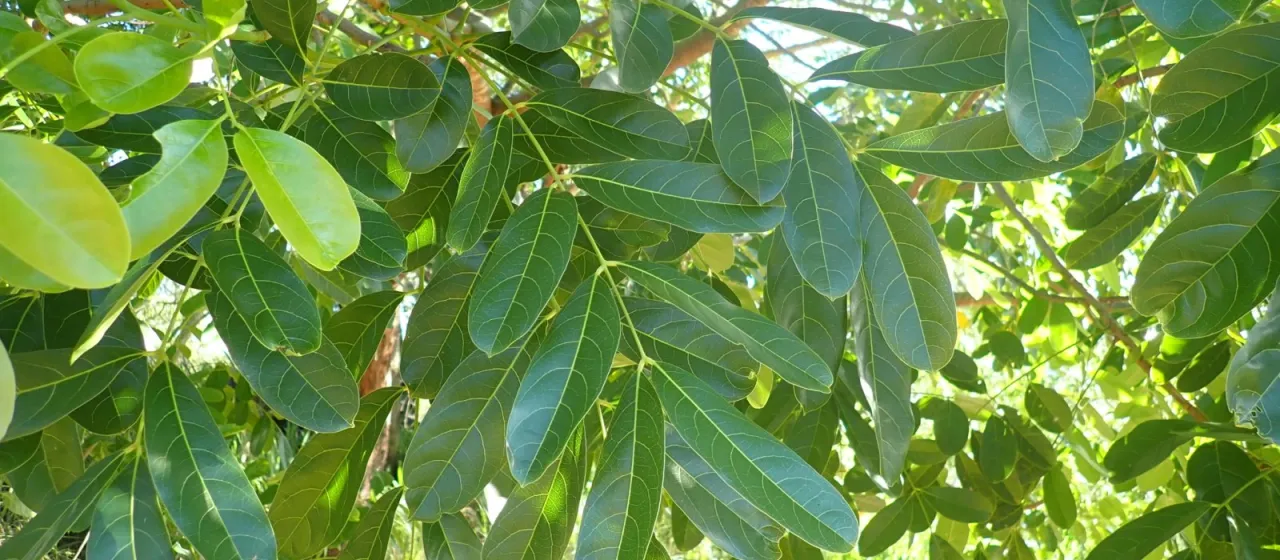
Botanically, this evergreen tree can grow up to 30 meters tall with a thick, scaly bark and a dense, spreading crown. The leaves are pinnate, providing deep shade in hot climates. The tree produces small, fragrant, white to yellowish flowers, followed by woody fruit capsules that split open to release winged seeds designed for wind dispersal.
Cultivation requires specific environmental conditions, primarily deep, fertile, and well-drained soils. While Khaya senegalensis is highly tolerant of drought and can survive in areas with seasonal water shortages, consistent rainfall during the initial growth stages significantly enhances wood quality. Silvicultural practices focus on pruning to ensure a straight, branch-free trunk.
The economic and practical utility of this species includes:
- Production of premium furniture, cabinetry, and interior paneling.
- Traditional medicinal use of bark extracts to combat inflammation and fever.
- Landscape management and shade provision in urban or agricultural planning.
- Use of seeds and leaves in traditional agroforestry systems.
Regarding health and protection, the tree is primarily vulnerable to the shoot borer Hypsipyla robusta, which can severely stunt vertical growth by destroying terminal buds. Effective management involves monitoring for signs of infestation and, where necessary, using biological control agents or silvicultural site selection to minimize the impact of pests.