
Description
Knema hookeriana is an evergreen tree species belonging to the Myristicaceae family. Closely related to the commercial nutmeg, this plant is a significant botanical subject within the rainforest ecosystems of Southeast Asia. It represents a specialized group of trees that have adapted perfectly to the constant warmth and humidity of equatorial regions.
The native distribution of this species spans Peninsular Malaysia, Singapore, and parts of Indonesia. It thrives in lowland tropical forests, often found in proximity to riparian zones where the soil remains consistently moist. As a forest tree, it is highly sensitive to deforestation and changes in its local microclimate, which makes it a species of ecological interest for forest management projects.
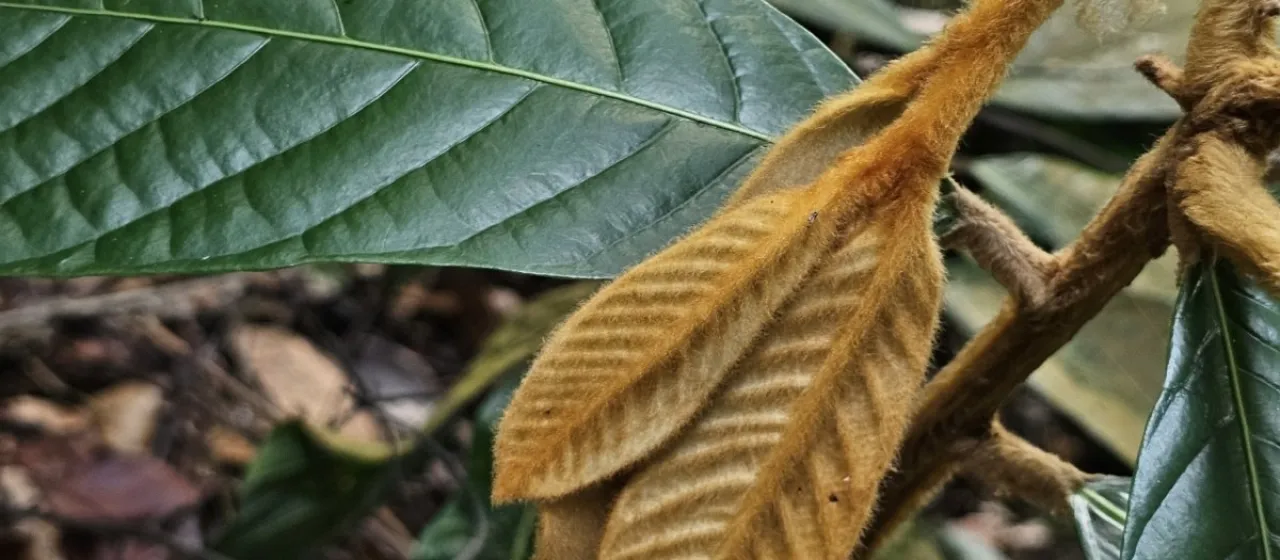
Botanically, it features a distinct architectural form with dark green, leathery, lanceolate leaves. The species exhibits dioecious tendencies, with male and female flowers typically appearing on separate trees or occasionally on the same specimen. The fruit is a distinctive dehiscent capsule containing a seed surrounded by a fleshy aril, which is typical for members of the nutmeg family.
Regarding its cultivation, Knema hookeriana requires a climate that mimics its natural habitat: high ambient humidity, consistent temperatures between 24°C and 30°C, and protection from strong winds. Soil requirements include a well-draining, deep, and nutrient-rich substrate, preferably with an acidic pH. Regular organic fertilization is necessary to support its growth in non-native soil conditions.
The plant faces several challenges, including susceptibility to root rot fungi (such as Phytophthora species) if drainage is poor, and infestation by wood-boring insects. Economically, while its timber is sometimes used for light construction by local communities, its primary importance currently lies in conservation and potential pharmacological research. Efforts are focused on preserving its natural habitat to prevent the decline of this unique tropical resource.