
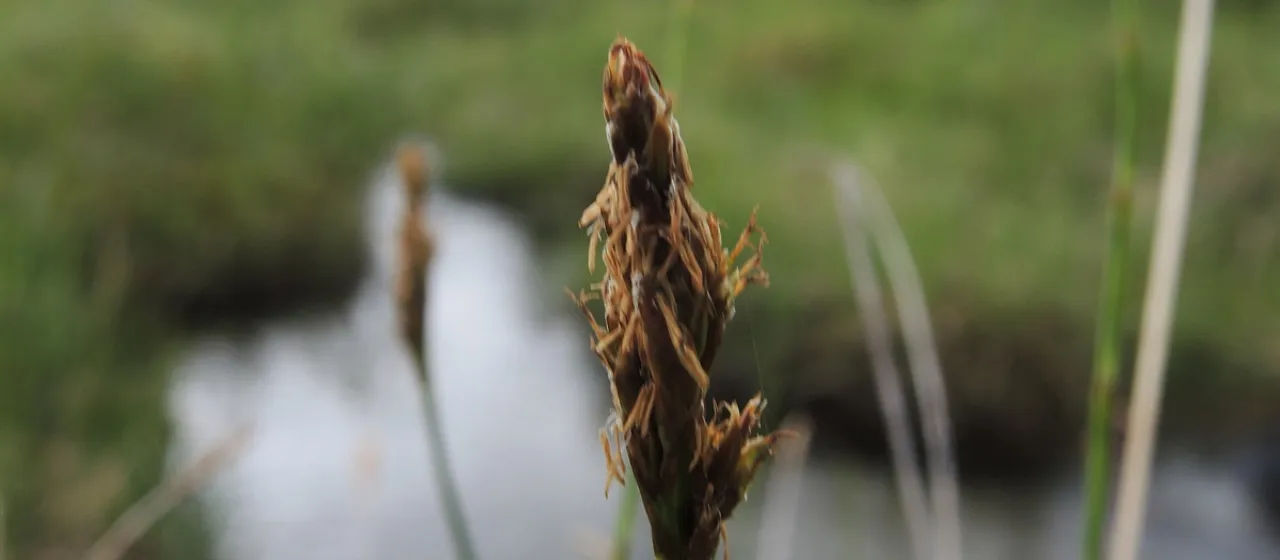
Description
Simple bog-sedge (Kobresia simpliciuscula) is a perennial herbaceous plant belonging to the Sedge family (Cyperaceae). This species is a vital component of alpine and arctic vegetation, representing a specialized group of plants that have evolved to flourish in environments characterized by short growing seasons and nutrient-poor, rocky soils.
The distribution of the species is circumpolar, found throughout the arctic regions of Eurasia and North America, as well as in high-altitude mountain ranges. It typically inhabits damp, calcareous meadows, fen-like environments, and moist rocky outcrops, where it plays a critical role in stabilizing fragile alpine soil structures.
Botanically, the plant is recognized by its dense, tufted growth habit and narrow, wiry leaves. The inflorescence is a spike-like arrangement, reflecting its taxonomic proximity to other sedges. Its root system is exceptionally robust, allowing the plant to anchor effectively in substrate that is subject to freeze-thaw cycles and seasonal water fluctuation.
Regarding agricultural requirements, the species thrives in alkaline or neutral conditions and demands excellent drainage paired with consistent moisture availability. It is highly intolerant of drought and acidic soil environments. In a cultivation context, ensuring correct soil pH and avoiding competition from invasive or high-growing aggressive grasses is paramount for plant survival.
Economically, the species is primarily valued as a forage component in sustainable mountain pasture systems. Its key agricultural traits include:
- High resilience to livestock grazing and physical trampling.
- Excellent nutritional profile during the early vegetative stage.
- Essential soil conservation properties in high-altitude regions.
- Cold tolerance allowing it to survive extreme alpine winters.