Kobus magnolia
Magnolia kobus DC.
Description
Kobus magnolia (Magnolia kobus) is a deciduous tree or large shrub that belongs to the Magnoliaceae family. It is widely recognized as one of the most cold-hardy species within the genus, making it a staple for gardens in temperate climates.
The native range of this species is primarily Japan and the Korean Peninsula. In its natural habitat, it grows in woodlands and on mountain slopes, thriving in moist and well-drained environments. Due to its robustness, the Kobus magnolia has been successfully introduced to various continents as a highly valued ornamental plant.
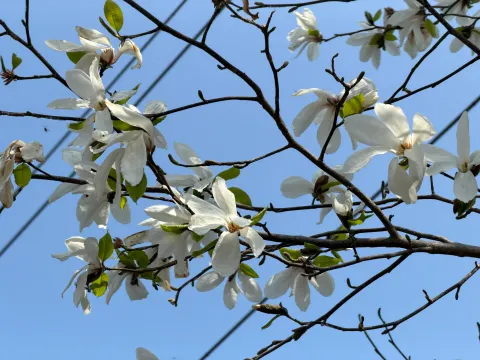
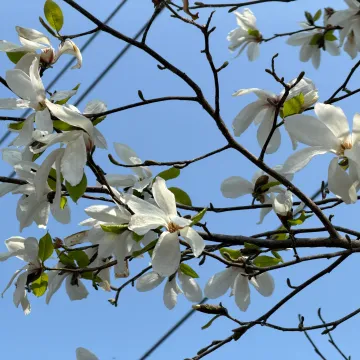
Botanically, the plant is characterized by a rounded or broad-pyramidal crown that can grow up to 15 meters tall. Its most notable feature is the early spring bloom, consisting of fragrant white or creamy white flowers that emerge on bare branches before the foliage develops. The leaves are large, obovate, and vibrant green, providing excellent shade during summer months.
Cultivation requirements involve planting in full sun to partial shade, sheltered from harsh winds. The soil should be fertile, deep, and slightly acidic. Proper moisture management is essential, especially for young specimens, as they do not tolerate prolonged drought. Mulching the root zone is highly recommended to maintain soil moisture and regulate temperature.
The Kobus magnolia is primarily used in ornamental landscaping for its aesthetic appeal. It is relatively resistant to pests and diseases. However, growers should monitor for issues such as iron chlorosis in alkaline soils or root rot if the planting site lacks proper drainage. Occasional inspections for scale insects or aphids are beneficial for maintaining optimal health.
Photo gallery