
Description
Potato dandelion (Krigia dandelion) is a perennial herbaceous plant belonging to the Asteraceae family. Often confused with common dandelions, it is botanically distinct due to its specialized root system and specific reproductive cycle. It is a native North American species that adds charm to wildflower meadows and naturalistic landscapes.
The native habitat of Krigia dandelion stretches across the central and southern United States, where it thrives in open, moist prairies, woodlands, and grassy slopes. Because of its specific environmental requirements, it is most often found in protected areas or specialized garden collections that focus on native flora restoration.
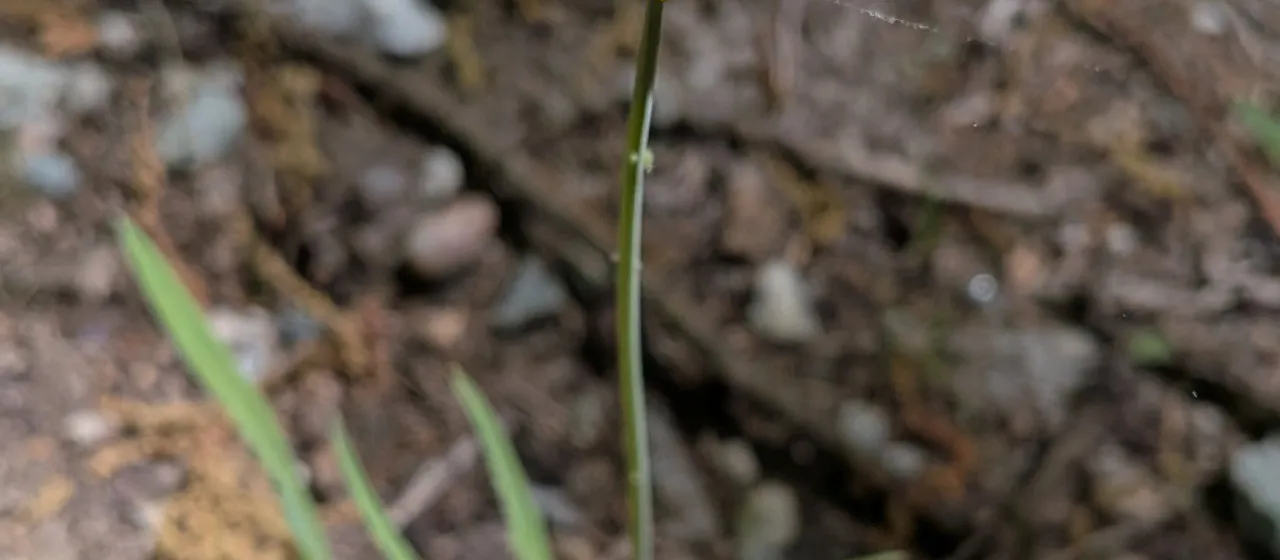
The plant is characterized by a basal rosette of leaves and produces slender, leafless scapes that terminate in golden-yellow composite flowers. A distinguishing biological feature is the presence of small tuberous roots, which help the plant store energy throughout the dormant season. These structures distinguish it from many other common lawn weeds and provide resilience during dry spells.
Regarding agricultural management and cultivation, Krigia dandelion requires well-drained, fertile soil and full sun to partial shade. The species performs best in areas that mimic its native moist meadow environment. Gardeners should ensure proper soil drainage to prevent tuber rot, especially during the wetter months. Propagation is primarily achieved through seeds sown in early spring or autumn.
Typical diseases for this species include fungal infections like powdery mildew, particularly when airflow is poor or humidity levels are constantly high. Common pests such as aphids might occasionally target the flower stalks, but generally, the plant is robust and requires minimal chemical intervention. Its primary value remains decorative and ecological, as it serves as a nectar source for early-season pollinators.