
Description
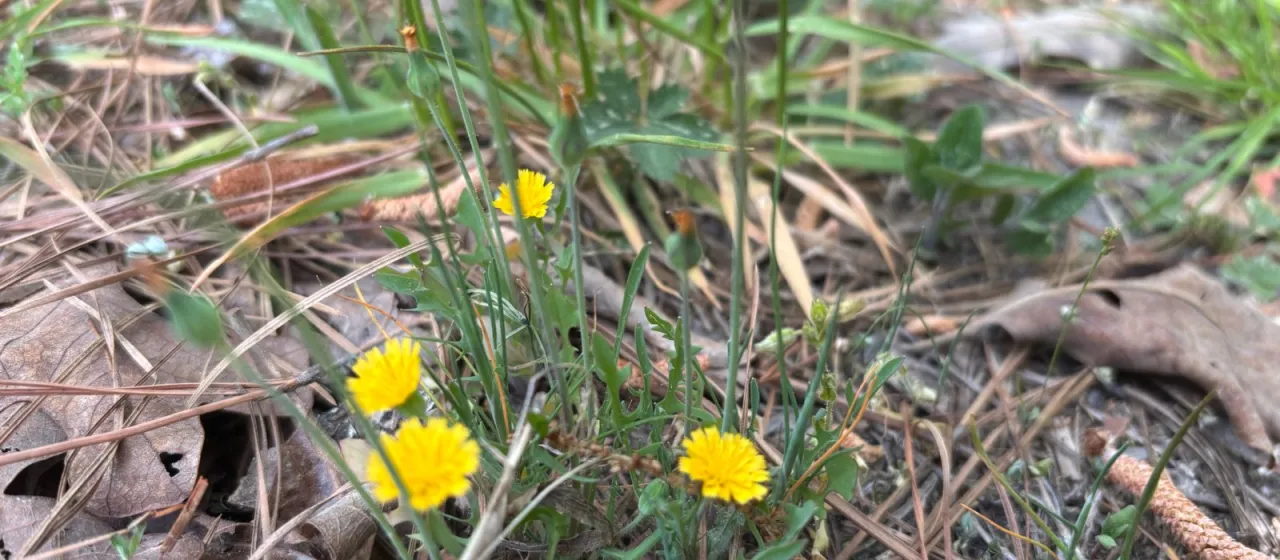
Virginia dwarf-dandelion (Krigia virginica) is an annual herbaceous plant belonging to the Asteraceae family. Known in botanical literature for its delicate structure, this plant is a notable member of the North American flora, often found in regions where soil conditions are less than ideal for high-yield crop production.
The plant originates from the Eastern and Central United States, with a distribution range extending into parts of Canada. It typically inhabits dry, sandy, or rocky habitats, including fields, open woodlands, and disturbed areas. Its ability to thrive in poor soils makes it an interesting subject for ecological research regarding soil restoration.
Botanically, Krigia virginica is characterized by a basal rosette of leaves and slender, often branched scapes that support solitary yellow flower heads. These heads are composed of ray florets, which give the plant its characteristic dandelion-like appearance. The life cycle is typically completed within a single growing season, often triggered by vernal environmental conditions.
Agrotechnical requirements for this species focus on light, well-draining soil and exposure to full sunlight. It is not traditionally cultivated in large-scale agriculture but can be integrated into specialized agricultural systems or wild-flower meadows. The plant is drought-tolerant, which reduces the need for complex irrigation systems during the maturation phase.
In terms of agricultural and ecological utility, it serves as an early-season resource for pollinators. While it is generally robust, growers should monitor for common pests and diseases:
- Fungal pathogens such as powdery mildew in humid, still air;
- Aphid infestations that can weaken young stems;
- Root rot caused by stagnant water or compacted soil.