
Description
Kummerowia stipulacea, commonly known as Korean clover, is an annual legume species belonging to the Fabaceae family. This crop is highly valued in agricultural systems for its high nutritional value, specifically its protein content, and its functional role in sustainable farming as a nitrogen-fixing plant.
The species originates from East Asia, specifically covering regions in China, Japan, and Korea. Due to its adaptability, it has been introduced into various temperate and subtropical regions worldwide, where it serves as a reliable forage crop, thriving in environments where other traditional legumes might struggle due to soil variability or water stress.
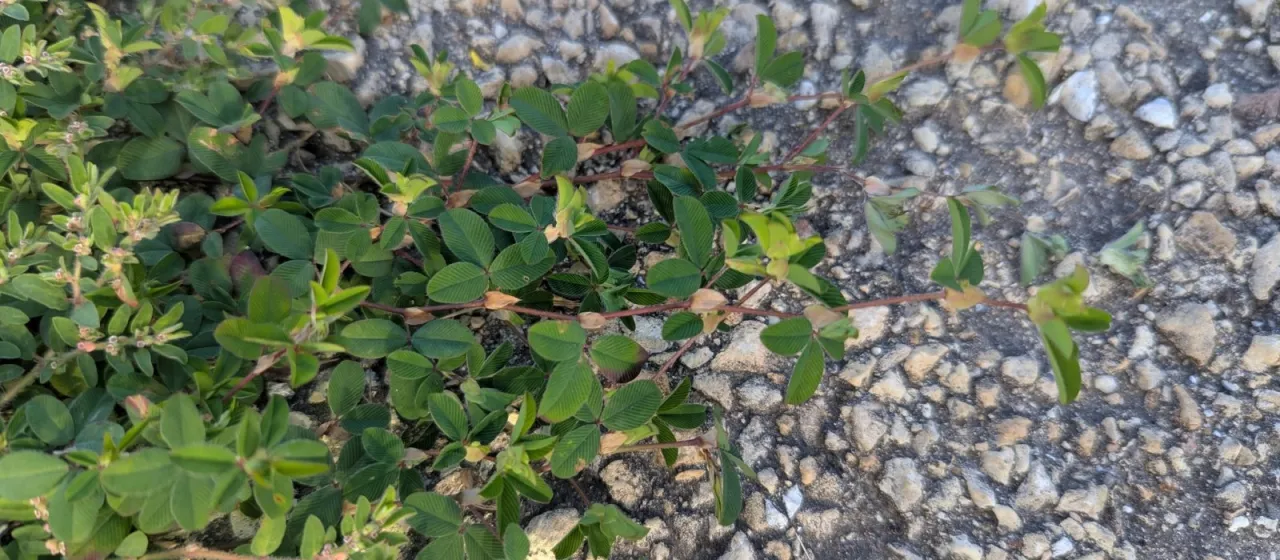
Botanically, this plant is characterized by its prostrate to semi-erect growth habit and trifoliate leaves with prominent, large stipules, from which its specific epithet is derived. Its root system is moderately deep, allowing it to withstand dry spells effectively. It produces small, inconspicuous flowers that develop into single-seeded pods, facilitating natural reseeding and persistence in pastures.
Kummerowia stipulacea thrives in well-drained loamy or sandy soils and prefers sunny locations. It is relatively thermophilic, requiring a sufficient heat unit accumulation during the growing season to reach its full yield potential. The primary agronomic challenge lies in its slow seedling establishment; therefore, weed management in the early stages is crucial for developing a productive stand.
The agricultural utilization of this crop is diverse and includes:
- Production of high-quality hay and forage for livestock feed.
- Integration into grazing systems to improve forage protein levels.
- Application as a green manure crop to enhance soil nitrogen and organic matter.
- Soil erosion control on slopes and disturbed lands due to its dense canopy cover.
Regarding plant health, the crop is generally robust. However, like many legumes, it may be susceptible to fungal diseases such as powdery mildew or leaf spot if humidity is consistently high or if the canopy is too dense, reducing airflow. Strategic crop rotation and maintaining proper seeding rates are essential practices for mitigating these issues and ensuring a healthy crop.