
Description
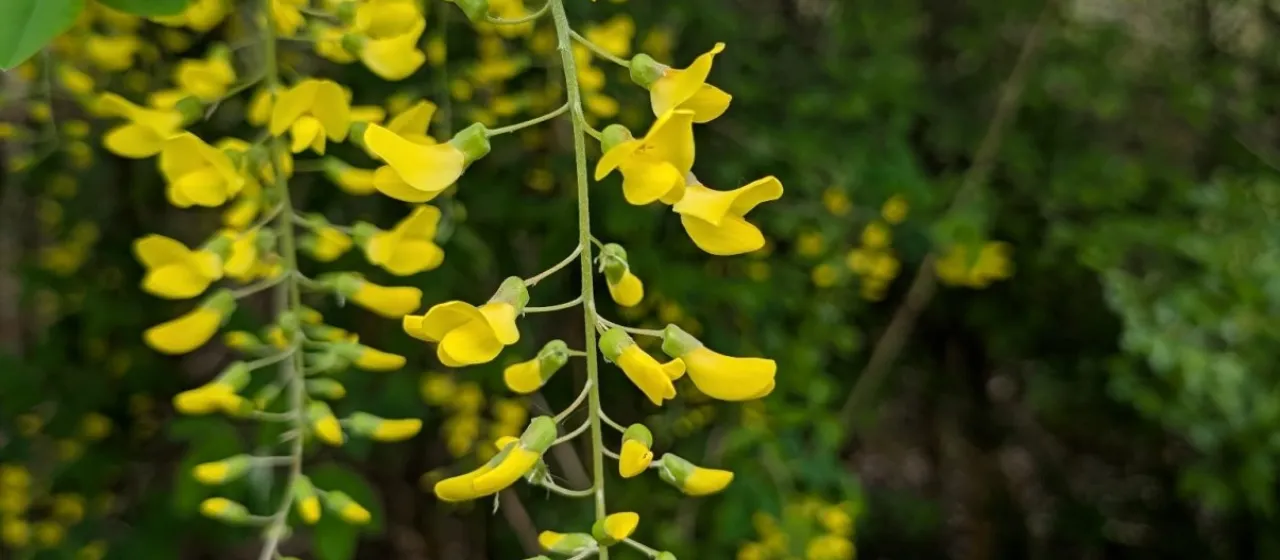
The common laburnum (Laburnum anagyroides Medik.), frequently referred to as the golden chain tree, is a deciduous shrub or small tree belonging to the pea family, Fabaceae. It is globally recognized for its spectacular pendulous racemes of yellow flowers that appear in late spring, creating an iconic aesthetic in gardens and parks.
Native to the mountains and forests of Central and Southern Europe, this species thrives in temperate climates. It prefers locations with full sun to partial shade and is well-adapted to various soil types, provided they are not waterlogged. The cultivation range has expanded significantly due to its ornamental value, though it requires specific care to thrive in non-native environments.
Botanically, the plant features trifoliate leaves and produces pods containing seeds after flowering. The tree is known for its ability to fix nitrogen in the soil via symbiotic relationships with bacteria in its root nodules, which can benefit the surrounding soil fertility. Its growth rate is moderate, and it can reach heights of up to 7 meters under favorable conditions.
Agronomic requirements include planting in well-drained, lime-rich soil to ensure optimal health. Pruning should be performed with caution, primarily to maintain structure and improve light penetration. The plant is relatively resistant to major pests, but gardeners should monitor for aphids and leaf miners, especially in younger specimens during dry periods.
In terms of usage, the common laburnum is exclusively an ornamental species used for landscaping and garden design. It is critical to note that all parts of the Laburnum anagyroides, including flowers, leaves, and particularly the seeds, are highly toxic to humans and livestock due to the presence of the alkaloid cytisine. Safety measures must be implemented when planting in spaces accessible to children or pets.
- Stunning golden-yellow floral displays.
- Nitrogen-fixing root system benefits.
- Sensitivity to poorly drained soils.
- High toxicity requiring careful placement.
- Regular pruning to improve structure.