
Lagerstroemia
Lagerstroemia indica x L. speciosa
Description
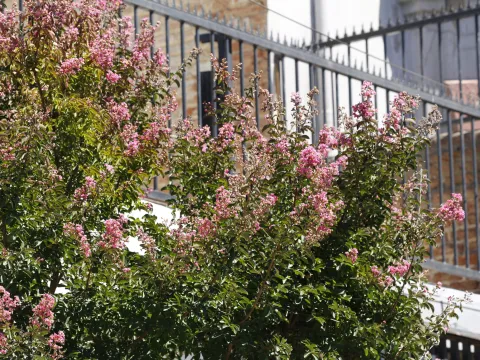
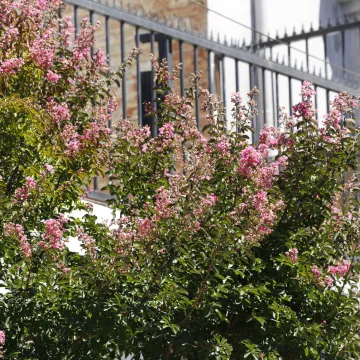
Lagerstroemia (Lagerstroemia indica x L. speciosa), commonly referred to as crape myrtle, is an ornamental woody plant belonging to the Lythraceae family. This species is highly valued in agriculture and landscaping for its spectacular, long-lasting floral displays that occur during the summer months.
Originating from the tropical and subtropical regions of Southeast Asia, the plant has spread across many temperate and tropical zones worldwide. It thrives in regions with warm summers and mild winters, which allows the woody tissues to mature properly and ensures profuse flowering for the subsequent season.
The botanical characteristics of the crape myrtle include a distinctive peeling bark that reveals a smooth, colorful trunk, making it visually appealing even when dormant. The leaves are typically dark green and glossy, while the flowers feature crinkled petals arranged in large panicles. The plant displays significant variations in size, ranging from dwarf cultivars to tall, tree-like forms.
Cultivation requirements for Lagerstroemia emphasize the need for full sun exposure to maximize bloom production. The soil should be well-drained, fertile, and slightly acidic to neutral. Regular irrigation is necessary during the early stages of establishment, although mature plants exhibit moderate drought tolerance. Systematic pruning in late winter is crucial for maintaining shape and promoting vigorous new growth.
The primary economic and horticultural use of this crop is in ornamental landscaping, including public parks, residential gardens, and street tree planting. While relatively robust, the plant is susceptible to certain physiological and biological stressors:
- Powdery mildew, which is a common fungal issue in humid climates.
- Aphids, which can cause leaf curling and attract sooty mold.
- Japanese beetles, which feed on the foliage during the summer months.
Photo gallery