Faurie's crape myrtle
Lagerstroemia subcostata Koehne var. fauriei (Koehne) Hatus. ex Yahara
Description
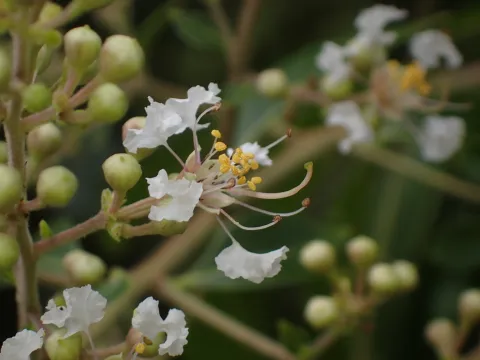
Faurie's crape myrtle is a distinguished woody plant belonging to the Lythraceae family. Renowned for its botanical elegance, it is often cultivated for its smooth, exfoliating bark that peels away to reveal a beautifully mottled trunk, alongside its prolific clusters of delicate, ruffled flowers that bloom extensively during the summer months.
Originating from the regions of Eastern Asia, particularly Japan and Taiwan, this variety has adapted to diverse climatic conditions. Its natural habitat is characterized by warm, humid summers, which is why the plant thrives in landscapes that offer ample sunlight and protection from severe winter frosts.
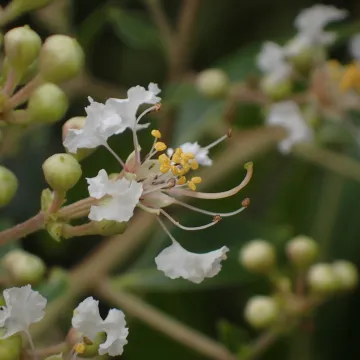
Botanically, it is classified as a deciduous small tree or large shrub. Its leaves are typically oval, glossy, and transition into vibrant autumn hues before dropping. The flowers, ranging from white to pinkish tones, are organized in terminal panicles, providing a structural focal point in any garden setting.
Effective agronomic management requires choosing a site with well-drained, fertile soil and full sun exposure. While somewhat drought-tolerant once established, the plant benefits significantly from consistent irrigation during the peak growing season. Pruning should be performed in late winter or early spring to remove dead wood and maintain the desired shape.
The primary horticultural use of this species is ornamental planting, serving as a specimen tree or a decorative hedge. It is susceptible to powdery mildew and aphid infestations; therefore, maintaining good air circulation around the crown and regular monitoring are essential. With proper care, it remains a long-lived and high-impact element of landscape design.
Photo gallery