
Description
Lannea coromandelica, commonly known as the Indian ash tree or Wodier, belongs to the Anacardiaceae family. It is a deciduous tree that typically reaches medium to large height, characterized by its exfoliating bark and pinnate leaves. This species is highly valued for its versatility in both industrial applications and traditional medicine across its native range.
The native distribution of this species spans across the tropical regions of Asia, primarily India, Myanmar, and other Southeast Asian countries. It thrives in dry deciduous forests and is exceptionally well-adapted to varied soil types, including gravelly or rocky terrain. Its ability to tolerate low-nutrient environments makes it an ideal candidate for reforestation projects in arid tropical zones.
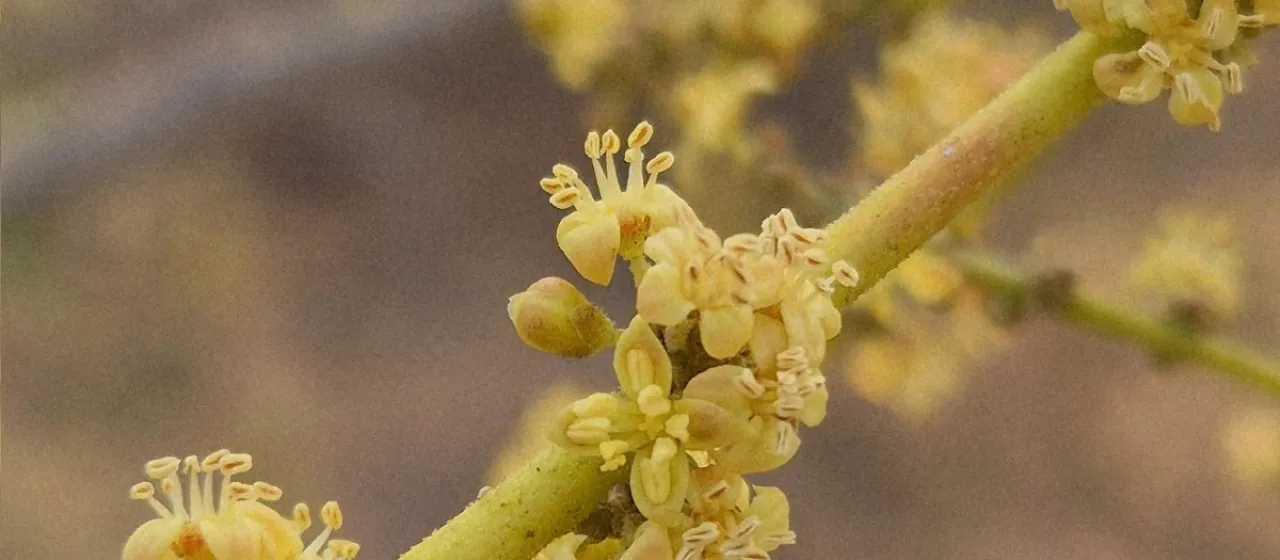
Botanically, the tree exhibits a robust structure with a gray-brown bark that peels in irregular patches. The leaves are compound, arranged alternately, and the small, greenish-yellow flowers develop in terminal panicles. The fruits are small, drupe-like, turning deep purple or black when fully mature, which serves as a significant food source for birds and small mammals in its native habitat.
Agricultural practices for Lannea coromandelica are relatively straightforward due to the tree's natural hardiness. It prefers full sun and well-drained soil. Propagation is typically achieved through seeds or stem cuttings. While the species is drought-tolerant once established, supplemental irrigation during the initial establishment phase significantly enhances growth rates and future productivity.
The economic value of this tree is diverse, encompassing several major industries:
- The production of gum (similar to gum arabic) for use in adhesives and food thickeners.
- The utilization of bark extracts for tanning leather due to high tannin content.
- The manufacturing of plywood, packing cases, and matchsticks from its relatively soft timber.
- Wide-scale application of leaves and bark in ethnomedicine for their anti-inflammatory properties.
Pest and disease management involves monitoring for wood-boring insects and fungal pathogens that affect the bark. Maintaining proper spacing between trees to ensure adequate airflow is critical to preventing fungal issues. In industrial plantations, integrated pest management (IPM) focusing on regular inspection and prompt removal of deadwood is recommended to sustain healthy yields.