
Description
Lannea schweinfurthii is a perennial woody plant belonging to the Anacardiaceae family. This species plays a vital role in tropical African ecosystems and is increasingly recognized for its utility in agroforestry and traditional land-use practices.
The plant is native to a broad range across tropical Africa, stretching from Ethiopia and Sudan down to South Africa. It thrives in diverse environments, ranging from dry savannas to wooded grasslands, showing remarkable resilience to the fluctuating environmental conditions of these regions.
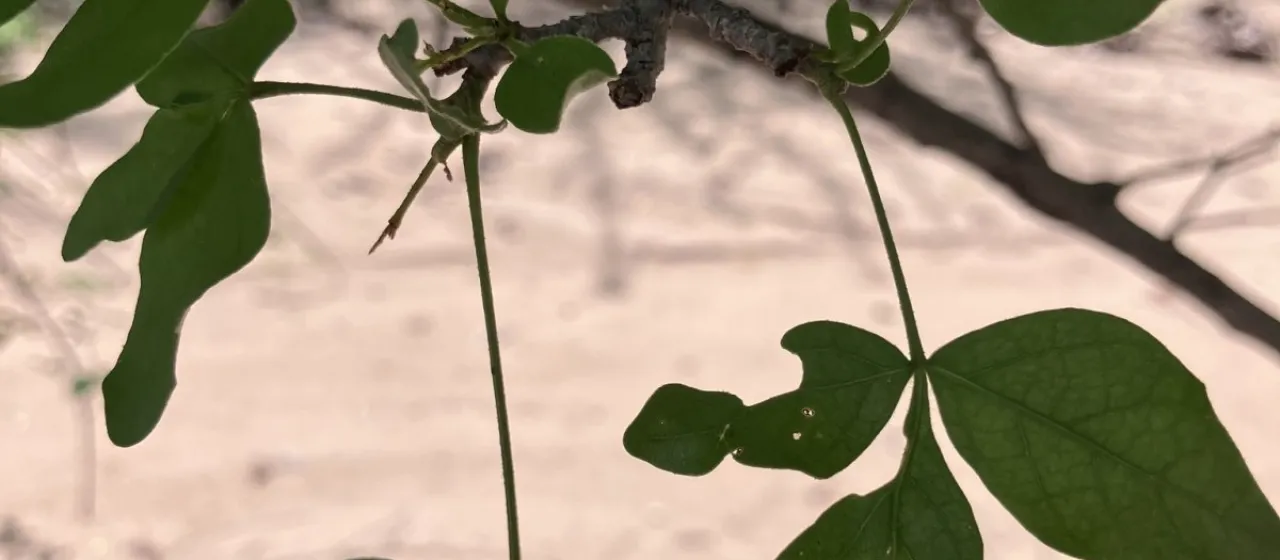
Botanically, Lannea schweinfurthii is characterized by its deciduous nature, often reaching a height of 15–20 meters. It features compound leaves and small inflorescences that develop into small, fleshy drupes. These fruits serve as a critical food source for local birds and mammals, highlighting the tree's ecological importance.
In terms of cultivation, this species prefers well-drained soils and is known for its high drought tolerance. It does not require intensive irrigation, making it suitable for semi-arid agriculture. Proper management involves ensuring sufficient space for canopy development and preventing waterlogging, which is a common cause of root rot.
- Timber production for construction and furniture making
- Traditional medicinal use of bark and root extracts
- Soil stabilization in erosion-prone areas
- Wildlife habitat provision
The main pests affecting Lannea schweinfurthii include wood-boring beetles that can impact wood quality, and various fungal pathogens associated with bark wounds. Integrated pest management, focusing on tree vigor and early detection of infections, is essential for maintaining healthy stands in both wild and cultivated settings.