
Description
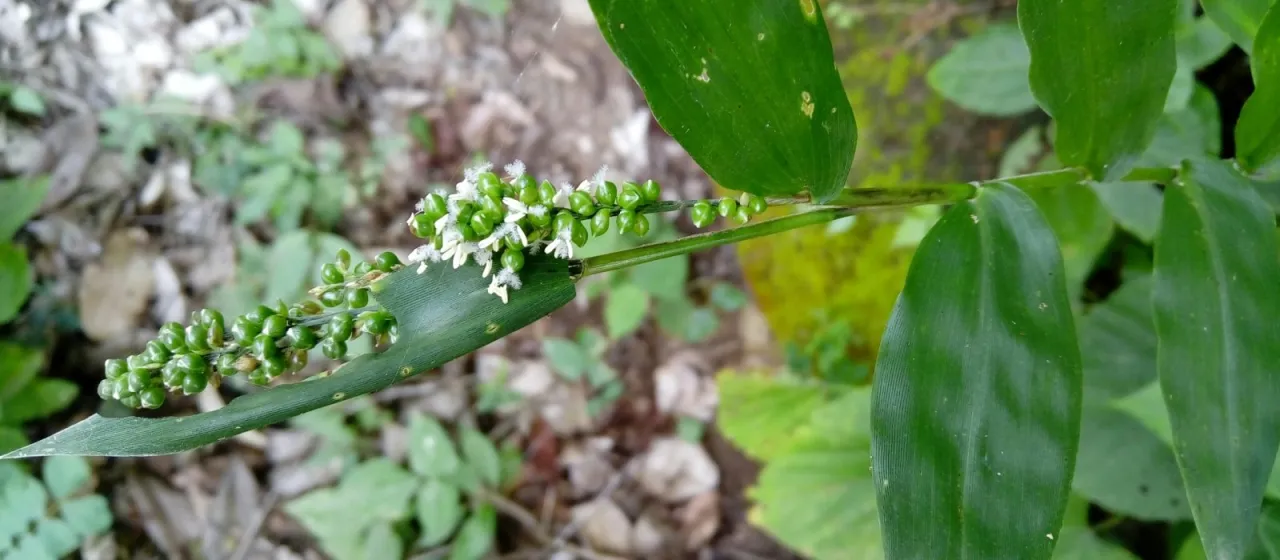
Lasiacis ruscifolia is a robust perennial grass species belonging to the Poaceae family. Known for its distinctively rigid, lance-shaped leaves that resemble the foliage of Ruscus plants, this grass species exhibits a growth habit that can be either bunch-like or climbing, depending on the environment and available support structures. It is a vital component of the diverse tropical vegetation found within its native range.
The plant originates from the tropical regions of Central and South America and is widely found throughout the Caribbean basin. Its natural habitat includes open forests, forest edges, and disturbed terrains. Due to its evolutionary adaptation to tropical climates, it thrives in environments that offer consistent warmth and high humidity, making it a well-established species in various neotropical ecosystems.
Regarding cultivation, Lasiacis ruscifolia requires well-drained, fertile soil and cannot withstand prolonged frost. It performs best in conditions that mimic its natural habitat, requiring adequate sunlight for optimal biomass production. Proper management involves controlling its vigorous growth through periodic thinning or systematic harvesting to prevent the plant from becoming invasive in smaller, contained agricultural plots.
In terms of agricultural utility, this plant is primarily valued as a source of forage for livestock in tropical areas where traditional pasture grasses may struggle. Its resilience and ability to grow in various soil types contribute to its utility in erosion control. By stabilizing the topsoil on hilly terrains, it helps maintain land integrity while simultaneously providing a useful resource for small-scale and commercial farming operations.
As with many tropical grasses, the culture is susceptible to specific fungal infections during prolonged rainy seasons, particularly those affecting the foliage. Common pests include aphids and mites that proliferate during dry spells. Effective agronomic practice dictates regular inspection of the crops and the application of balanced nitrogen-rich fertilizers to encourage vigorous, healthy regrowth and enhance natural resistance against minor biotic stresses.