
Description
Goldfield (Lasthenia chrysantha) is a charming annual herbaceous plant belonging to the Asteraceae family. Known for its brilliant golden-yellow flowers, it is a significant species within the botanical landscape of North America, particularly in California. It is widely recognized by enthusiasts and botanists alike for its distinctive inflorescences that carpet open fields during the flowering season.
The native habitat of Lasthenia chrysantha encompasses various Californian ecosystems, specifically wet meadows and vernal pools. Evolutionarily, the plant has adapted to survive in environments that undergo distinct seasonal changes, thriving during the wet spring months and maturing as the soil dries. This resilience makes it a subject of interest for restoration ecology and native plant landscaping.
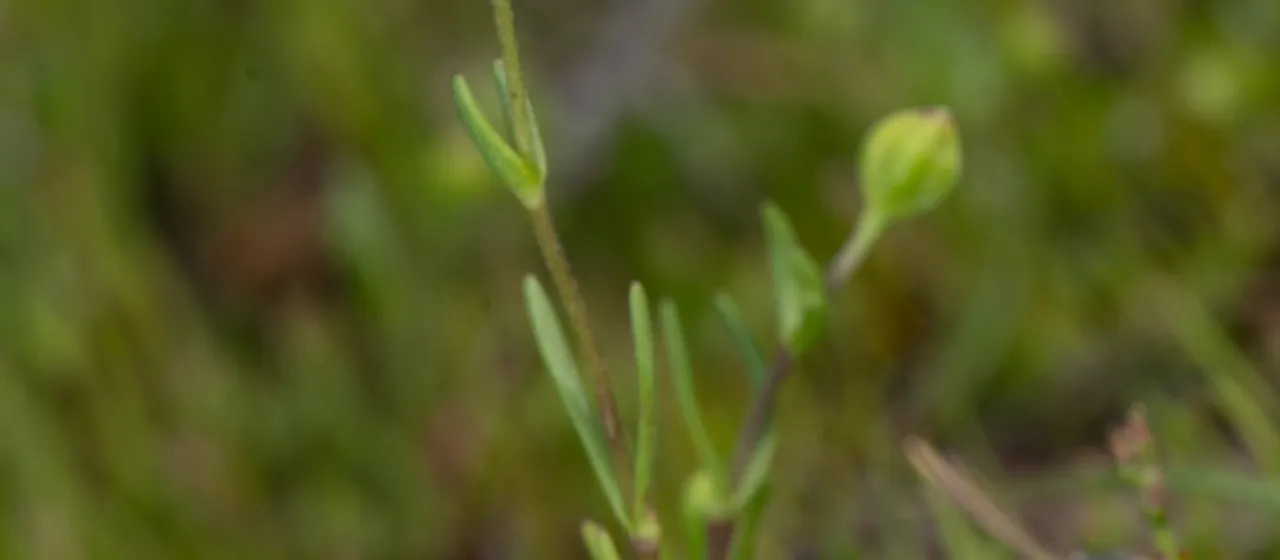
Botanically, the plant features narrow, often linear foliage and solitary yellow flower heads characterized by distinct ray florets. The growth habit is generally low and spreading, although it can be upright in favorable soil conditions. Its root system is relatively shallow, allowing it to efficiently draw nutrients from the upper soil horizons during its rapid lifecycle.
Agricultural and gardening requirements for Goldfields involve full sun exposure and well-draining, moderately fertile soil. In cultivation, it is essential to mimic its natural environment by providing enough moisture in the early stages of growth while ensuring the soil remains loose enough to prevent waterlogging. Excessive irrigation during the flowering phase should be avoided to prevent fungal issues.
- Sun exposure: Requires full sun for maximum bloom.
- Soil preference: Sandy or loamy soils with good drainage.
- Sowing time: Early spring after the danger of frost has passed.
- Primary use: Native wildflower meadows, borders, and pollinator-friendly gardens.
Regarding pest management, growers should monitor for common garden insects such as aphids or spider mites, which can infest foliage during warm, dry spells. Diseases are typically related to moisture control; root rot and powdery mildew are the most prevalent risks if drainage is poor or air circulation is insufficient. Implementing integrated pest management techniques, such as proper spacing and early detection, is key to successful cultivation.