
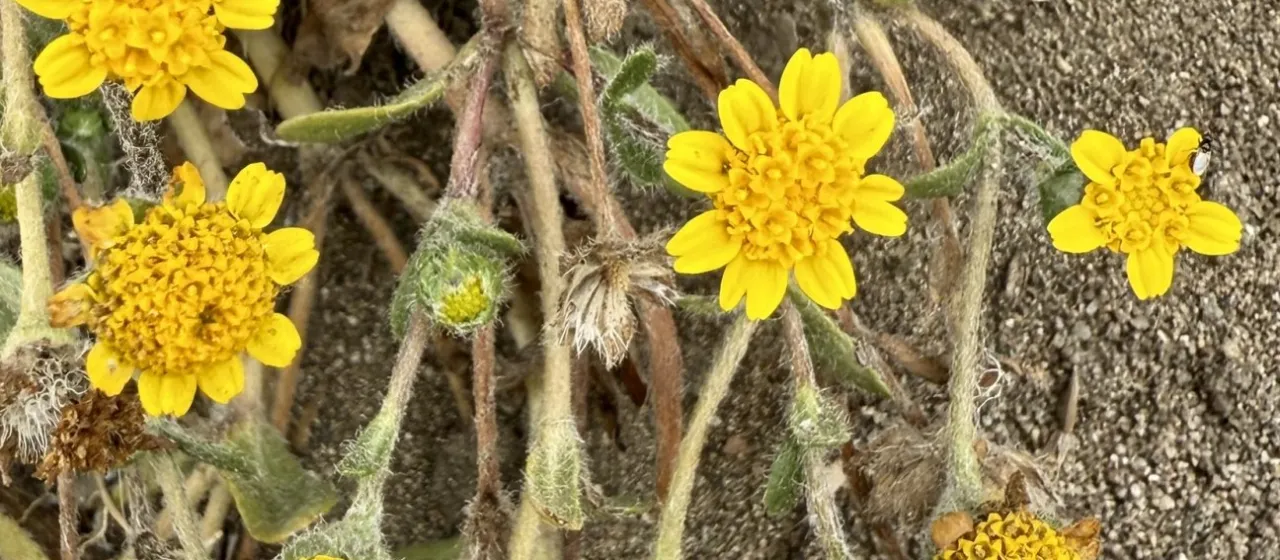
Description
Lesser goldfields (Lasthenia minor) is an annual herbaceous plant belonging to the Asteraceae family. Known for its brilliant yellow flowers, it is highly valued in botanical restoration projects and niche landscaping, particularly in regions where it occurs naturally as part of the wildflower meadow ecosystem.
The plant is native to the western regions of North America, specifically thriving in California and parts of Oregon. Its natural habitat includes vernal pools, swales, and moist grasslands. Understanding this affinity for periodic moisture is critical for successful cultivation, as the plant mimics these specific hydrologic cycles during its spring growing season.
Botanically, Lasthenia minor produces low-growing foliage and distinctive daisy-like yellow flower heads. Its morphology allows it to create dense carpets of color, which is a desirable trait for garden borders and eco-friendly landscaping. The seeds are typically dispersed by wind and water, ensuring rapid colonization of suitable habitats.
Agrotechnical management requires well-draining soil that retains some moisture to mimic its native environment. While it is not a high-input crop, it requires full sun to maximize its bloom potential. Soil pH should ideally be neutral, and supplemental watering is usually only necessary during the initial stages of germination or during extreme spring drought conditions.
- Light requirements: Full sun exposure is optimal.
- Soil type: Moisture-retentive yet well-drained loam.
- Growth habit: Low-growing, spreading annual.
- Landscape use: Wildflower meadows, ground cover, pollinator support.
The plant is generally resilient, but growers must monitor for common pests such as aphids and spider mites, which can thrive in drier microclimates. Furthermore, root rot remains the primary disease risk, usually triggered by poor drainage or excessive soil moisture during cooler, stagnant periods. Proper spacing and airflow are essential to prevent these issues.