
Description
Lens ervoides is a wild species within the genus Lens, belonging to the Fabaceae family. While not a commercial crop for large-scale production, it is highly valued by agronomists and botanists as a key wild relative of the domesticated lentil (Lens culinaris), possessing crucial traits for future agriculture.
The species is native to the Mediterranean region, the Near East, and the Caucasus. It typically inhabits diverse landscapes, ranging from rocky slopes and shrublands to forest clearings. Its natural range demonstrates its ability to thrive under various environmental pressures, which is a major interest for modern breeding programs.
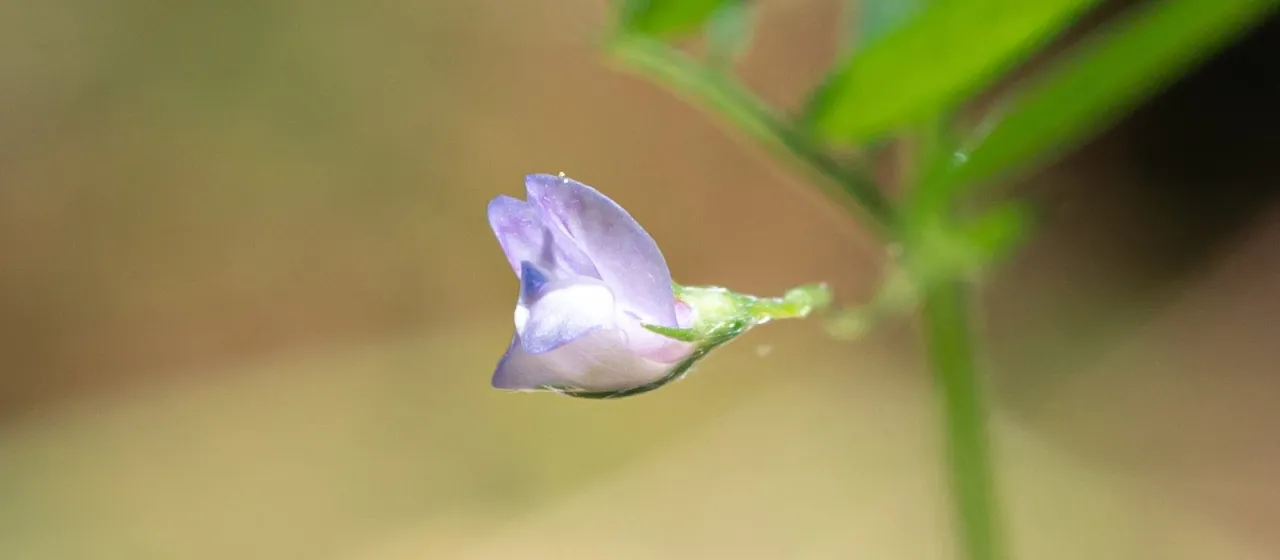
Morphologically, this plant is characterized by slender, sprawling stems and small, pinnate leaves. The flowers are typically white or pale blue, leading to the development of small pods. Like many wild legumes, the seeds are small and have a tough coat, an adaptation that ensures survival and staggered germination in unpredictable wild environments.
Regarding cultivation requirements, Lens ervoides is known for its tolerance to poor soil quality and its ability to withstand fluctuating moisture levels. In experimental field conditions, it has shown impressive resilience to common stresses that often devastate commercial lentil varieties, such as heat spikes and certain soil-borne pathogens.
The primary agricultural use of this plant is centered on its genetic potential. Breeders utilize Lens ervoides to transfer favorable genes into cultivated varieties. These traits typically include:
- Enhanced resistance to fungal pathogens like Ascochyta blight.
- Improved drought and heat tolerance.
- Higher nutritional efficiency in marginal soil environments.
- Genetic diversity for breeding programs.
Despite being susceptible to typical legume pests like aphids or seed beetles, the natural population of this plant provides an essential genetic foundation for developing the resilient crops needed for sustainable farming in a changing climate.