
Description
Lamotte lentil (Lens lamottei) is a distinct botanical species belonging to the Fabaceae family. As a wild relative of the common lentil, this plant possesses valuable genetic traits, particularly regarding environmental resilience, which makes it a subject of interest for both evolutionary botanists and agricultural researchers focusing on crop improvement.
The origin of Lens lamottei is primarily linked to the Mediterranean basin and surrounding arid regions. It has evolved to thrive in specialized ecological niches where water scarcity and soil nutrient limitations are prevalent. Its natural distribution is localized, reflecting its highly specific requirements for survival in extreme habitats.
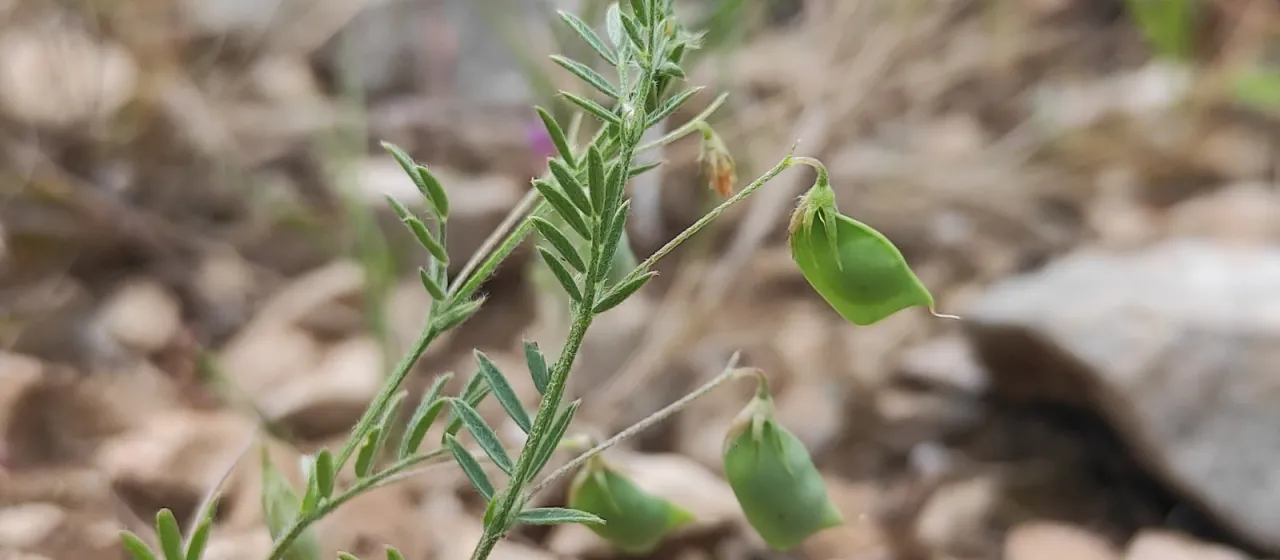
Botanically, it is an annual herbaceous plant featuring delicate, branching stems and pinnate leaves. The plant exhibits typical lentil-like flowers and produces small pods containing seeds. These seeds are a concentrated source of vegetable protein, consistent with other legumes, though the overall plant structure is optimized for survival rather than high-yield biomass production.
Agricultural requirements for Lens lamottei demand well-drained, sandy-loam soils with a neutral to alkaline pH balance. The crop is sensitive to waterlogging, which often leads to root fungal pathogens, and it requires consistent sun exposure during its vegetative phase to reach maturity. Precision in site selection is critical for any experimental cultivation efforts.
The primary use of Lens lamottei lies in genetic conservation and selective breeding. Breeders utilize its unique traits to introduce drought resistance into commercial lentil cultivars. Beyond breeding, its role in nitrogen fixation makes it a potential candidate for soil management strategies in arid farming regions, aimed at restoring organic matter without excessive chemical inputs.