
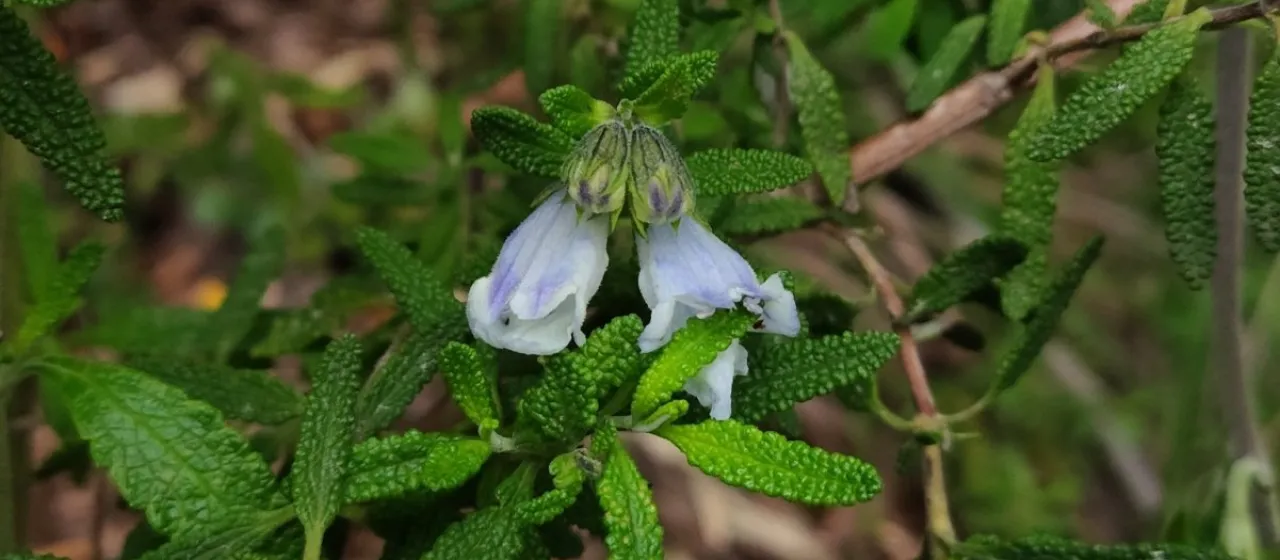
Description
Lepechinia chilensis is a perennial herbaceous plant belonging to the Lamiaceae family. This species is valued for its unique aromatic profile and its rich content of bioactive compounds, making it a significant subject for botanical research and small-scale specialized agriculture.
The plant originates from the mountainous regions of South America, specifically within Chile. Its natural habitat includes well-drained slopes and open areas where it thrives in temperate climates. Cultivation outside its native range is generally limited to regions with mild winters, as the species does not tolerate severe frost conditions well.
Botanically, the plant is characterized by its pubescent foliage and upright growth habit. The flowers typically form in spikes, featuring a structure common to many members of the mint family. The root system is robust, allowing the plant to stabilize itself in rocky or nutrient-poor soils common to its native environment.
Agricultural requirements for Lepechinia chilensis center on well-draining soil with a neutral to slightly acidic pH. The plant requires significant sunlight to maximize the production of essential oils. Proper spacing is essential to ensure adequate airflow, which is critical for preventing the development of moisture-related issues within the plant stand.
Main directions for economic use include:
- Extraction of essential oils for the fragrance and cosmetic industries.
- Traditional use as a source of medicinal compounds for antiseptic formulations.
- Application in ornamental gardens for aromatic landscaping.
- Utilization in herbal tea blends due to its pleasant olfactory characteristics.
The plant is susceptible to various fungal pathogens if soil drainage is insufficient, often leading to root rot. Pests such as aphids and spider mites can cause significant stress, particularly during dry seasons. Integrated pest management, focusing on biological controls and proper site selection, is the recommended approach for maintaining healthy plant populations.