
Description
Lepechinia hastata is a remarkable perennial herbaceous plant belonging to the Lamiaceae family. Known for its distinct architectural form and striking foliage, this species is increasingly recognized by horticulturists and researchers as a plant of significant ornamental and scientific interest.
The plant originates from the high-altitude regions of Mexico and Central America. Its native habitat, characterized by well-drained mountain soils and mild climates, dictates the specific requirements for its successful introduction into agricultural and garden settings elsewhere.
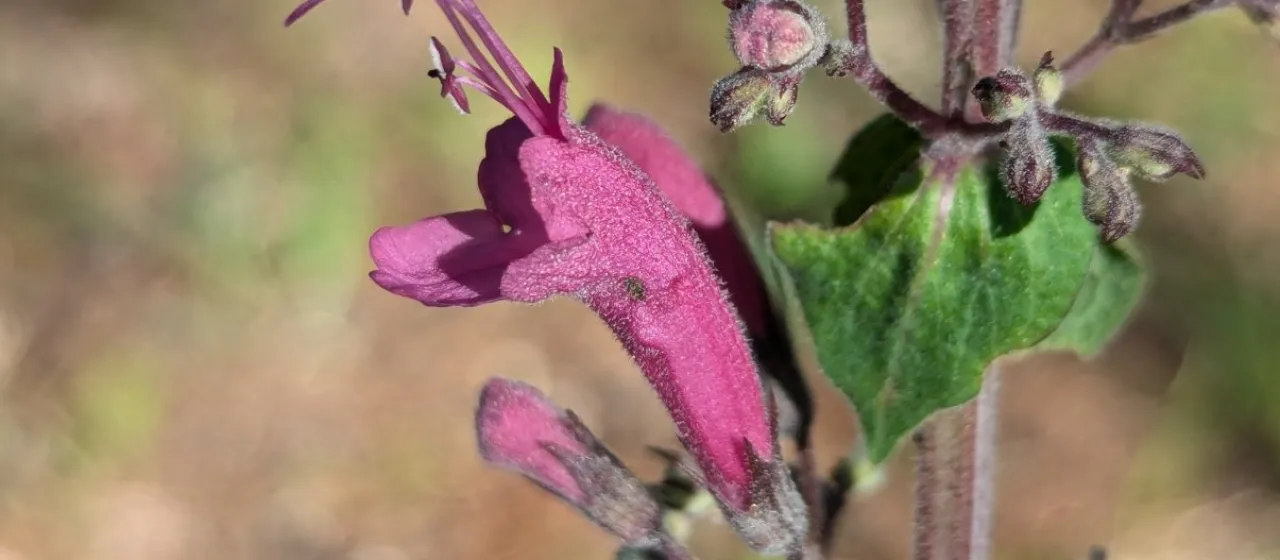
Botanically, it is distinguished by large, hastate (spear-shaped) leaves with a fine, velvety texture and aromatic glands. During the flowering stage, the plant produces tall, erect spikes adorned with deep purple to magenta tubular flowers, which are highly effective in attracting pollinators to the area.
Successful cultivation requires soil with excellent drainage, as the species is highly susceptible to root rot in waterlogged conditions. It thrives in sunny locations but benefits from light shade during the hottest parts of the day. Consistent moisture levels, combined with a nutrient-rich, neutral-to-slightly-acidic substrate, are essential for optimal plant development.
While primarily used in high-end landscaping and botanical collections, the plant is also studied for its chemical profile, including its essential oils. Common pests such as aphids and spider mites can occasionally affect the foliage, requiring standard integrated pest management practices. Disease control focuses mainly on maintaining adequate air circulation and preventing excessive humidity around the base of the plant.