
Description
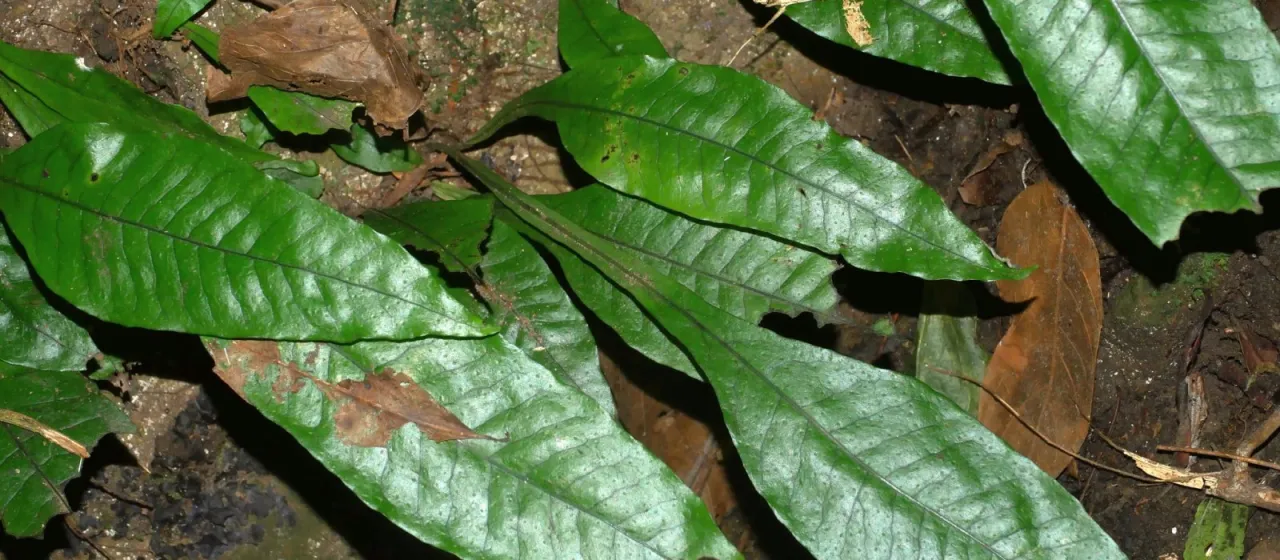
Leptochilus decurrens is a perennial fern species belonging to the Polypodiaceae family. This plant is recognized for its unique aesthetic, characterized by thick, leathery fronds and a creeping rhizomatous habit, making it an excellent candidate for ground cover in shaded landscape settings.
Native to the tropical regions of Southeast Asia, including parts of India and China, this fern thrives in high-humidity, forested environments. It is naturally adapted to floor levels of dense forests or rocky banks near streams, where it benefits from consistent moisture and filtered light, avoiding the intensity of direct sun.
The botanical structure of the plant displays distinct dimorphism between vegetative and fertile fronds. The sterile leaves are typically broader and lanceolate, while the fertile leaves are notably thinner and elongated to facilitate spore dispersal. This specialized development is a survival mechanism that allows the fern to balance photosynthesis and reproduction efficiently.
In terms of cultivation, Leptochilus decurrens requires a porous, humus-rich substrate with a slightly acidic pH. Consistent soil moisture is crucial for health, though waterlogging must be strictly avoided to prevent fungal infections. Growers should maintain an environment with high atmospheric humidity, often utilizing misting or specialized greenhouse equipment for optimal growth.
The primary use of this species is in decorative horticulture, specifically for indoor displays, botanical gardens, and humid temperate shade gardens. While robust, the plant is susceptible to common greenhouse pests such as scale insects and spider mites, especially if air circulation is inadequate. Maintaining proper hygiene and monitoring leaf undersides are key practices for effective pest management.