
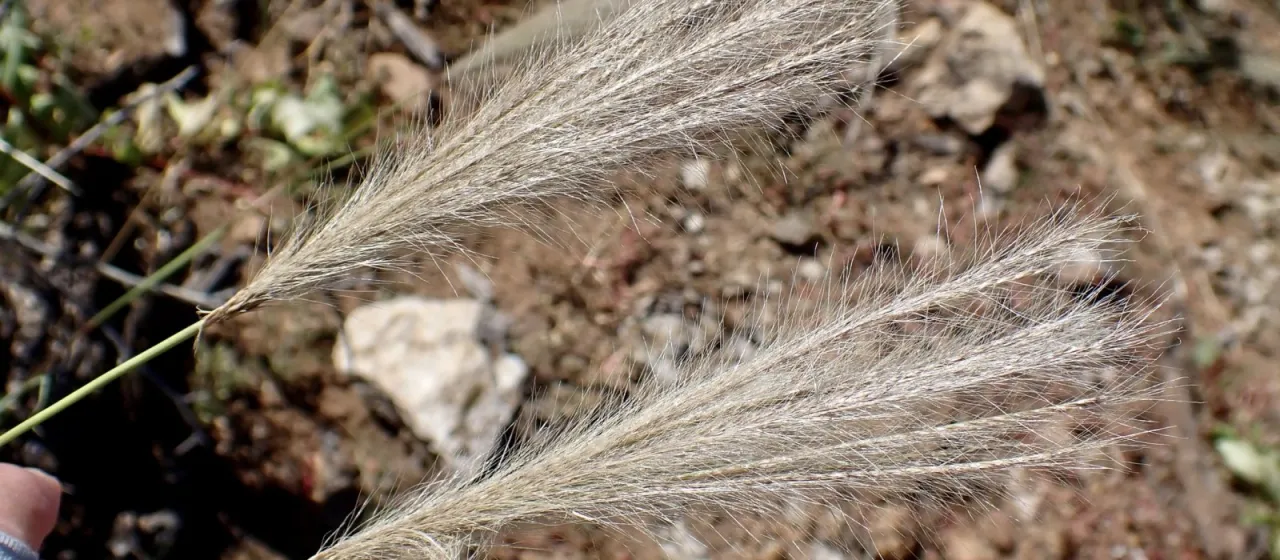
Description
Leptochloa crinita is a perennial grass species belonging to the Poaceae family. This plant is recognized for its environmental resilience, making it a subject of interest in agricultural research for sustainable grazing systems and soil stabilization in arid and semi-arid regions.
Originally native to parts of South America, the species has a distribution range that includes diverse habitats characterized by periodic dry spells. It is often found in open grasslands where it forms an integral part of the local forage base, adapting well to environments that are generally considered marginal for more sensitive crops.
Botanically, Leptochloa crinita is characterized by a tufted growth habit and sturdy, slender stems. The leaves are typically narrow and may show distinct pubescence, which is a structural adaptation to arid environments. The inflorescence is a panicle that produces numerous small seeds, facilitating effective propagation and self-seeding in natural conditions.
Agricultural requirements for this grass include well-drained soils, preferably with a sandy or loamy texture. While it is highly drought-tolerant, its yield potential is maximized in full sun exposure. Agronomic practices focus on maintaining optimal plant density and preventing overgrazing, which allows the root system to recover and maintain soil health effectively.
The primary agricultural use is as a forage resource for livestock grazing. It is valued for its persistence and ability to provide fodder when other grasses succumb to drought. Common issues include rust pathogens during humid weather and infestations by common grass-feeding insects, requiring standard integrated pest management practices for healthy stand establishment.