Leucadendron plumosum
Leucadendron plumosum
Description
Leucadendron plumosum is an ornamental evergreen shrub belonging to the Proteaceae family. It is highly esteemed in commercial floriculture for its striking, long-lasting bracts that encircle the small flower heads. As an agricultural crop, it is managed primarily for cut flower production, serving the high-end floral industry globally.
The plant originates from the Cape region of South Africa, adapted to Mediterranean climates characterized by cool, wet winters and warm, dry summers. Commercially, it is cultivated in regions with similar climatic conditions, such as Australia, New Zealand, California, and certain Mediterranean countries, where frost risk is minimal and drainage is excellent.
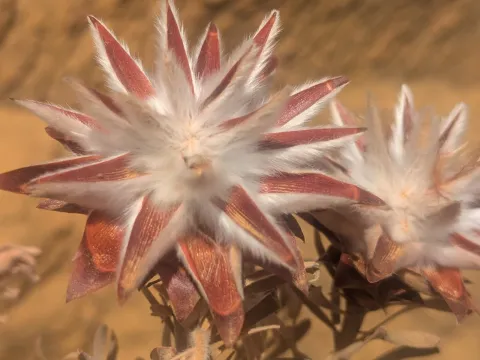
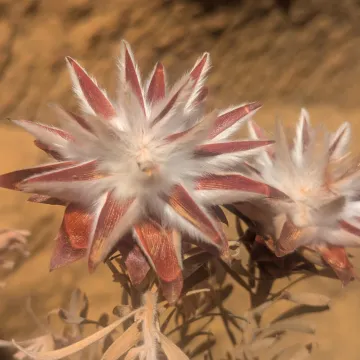
Botanically, it is a dioecious shrub with leathery foliage and distinct bract formations. The male plants are often preferred for their more showy and dense bracts, which provide higher aesthetic value for floral arrangements. The plants generally exhibit slow to moderate growth rates, requiring significant space for proper air circulation to maintain plant health.
Agronomically, the crop demands highly specific soil conditions: well-drained, sandy, and acidic to neutral soil. A critical factor in managing this species is its sensitivity to phosphorus; over-fertilization with phosphate-based nutrients can prove toxic. Consequently, low-phosphorus fertilizers are essential for sustainable cultivation, alongside a strict irrigation schedule to prevent root-rotting pathogens.
The economic value lies in the durability of the stems, which can last weeks in a vase. Diseases such as Phytophthora and pests like aphids or mites represent the primary agricultural risks. Management strategies must prioritize integrated pest management (IPM) and climate control to ensure consistent production cycles and high-quality market output.
- Exposure: Full sun is required for optimal bract color.
- Soil: Sandy, acidic, and well-aerated media.
- Propagation: Mostly through cuttings or specialized seeds.
- Harvest: Stems are cut when bracts are fully formed and firm.
Photo gallery