
Description
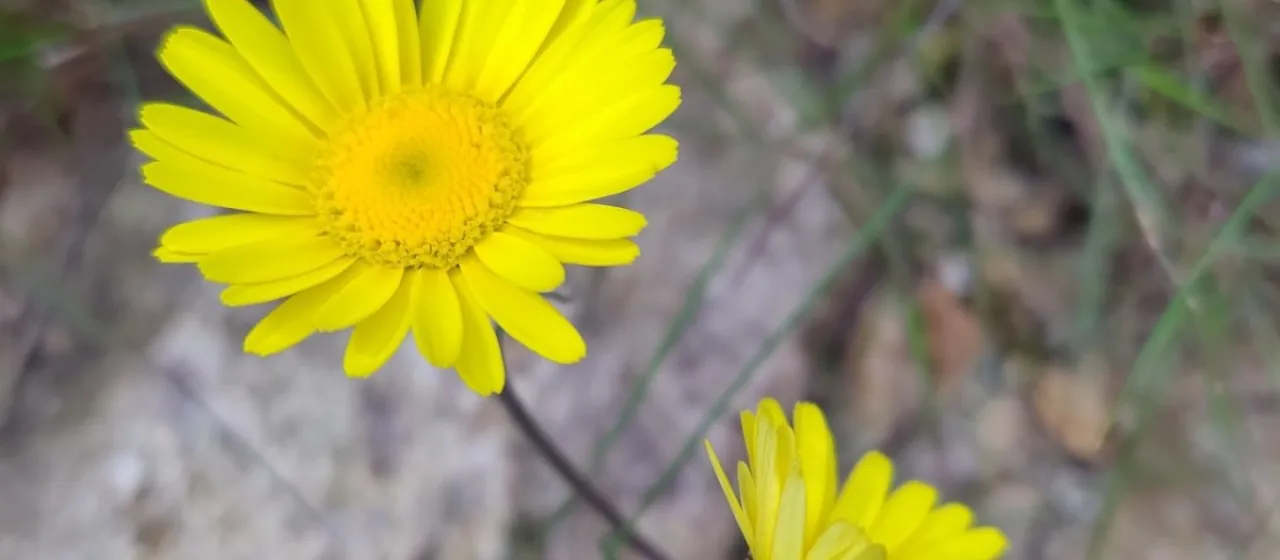
Yellow leucanthemopsis (Leucanthemopsis flaveola) is a perennial herbaceous plant belonging to the Asteraceae family. In an agricultural and horticultural context, this species is highly regarded as a specialized ornamental plant, valued for its unique adaptation to mountainous ecosystems and its delicate, daisy-like appearance.
The plant is native to the high-altitude regions of the Iberian Peninsula, specifically thriving in the rocky terrain of Spain. While not a commercial crop for mass consumption, it is cultivated globally by nurseries and enthusiasts of alpine flora, who seek to integrate rare, high-mountain species into cultivated landscape projects.
Botanically, the plant is characterized by a basal rosette of pinnate leaves and slender, upright flowering stems. The flowers are typically yellow or pale yellowish in color, forming solitary heads. Its root structure is adapted for anchoring in stony crevices, reflecting its evolutionary origin in high-altitude environments.
Successful cultivation requires specific environmental parameters, including excellent soil drainage and high solar exposure. The substrate must be low in organic matter and mineral-rich, simulating the rocky soils of its origin. Proper agrotechnical management focuses on avoiding over-watering, as the plant is highly susceptible to root rot in saturated conditions.
The primary horticultural use of this species is within specialized landscape design, specifically:
- Construction and planting of alpine rock gardens.
- Xeriscaping projects that require drought-tolerant, mountain-native species.
- Container gardening for botanical collections and specialized glasshouses.
The plant generally faces few pest issues if provided with ideal conditions. However, common problems include root rot triggered by waterlogging and occasional attacks from aphids during the early spring growth phase. Maintaining adequate airflow around the foliage is the best prevention against most common horticultural diseases.