Hybrid Leucophyllum
Leucophyllum frutescens (Berland.) I. M. Johnst. x Leucophyllum zygophyllum I. M. Johnst.
Description
Hybrid Leucophyllum (Leucophyllum frutescens x L. zygophyllum) is a prominent evergreen ornamental shrub resulting from a cross between two species of the genus Leucophyllum. It belongs to the Scrophulariaceae family. This shrub is widely recognized in professional landscaping for its resilience, silver-toned foliage, and spectacular blooming displays during the hottest summer months.
The plant originates from the arid regions of North America, specifically spanning parts of Northern Mexico and the Southern United States. Its evolution in harsh, desert-like climates has made it an exceptionally hardy candidate for xeriscaping projects. In its native habitat, it thrives in environments that receive limited annual rainfall and experience high solar intensity.
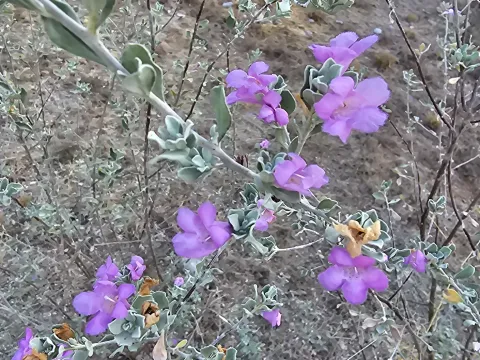
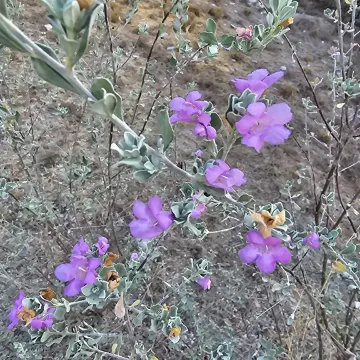
Botanically, the hybrid is characterized by a dense, compact habit and small, pubescence-covered leaves that create a distinct silvery-gray appearance. The bloom cycle is often triggered by shifts in humidity levels, covering the bush in bell-shaped, lavender-to-purple flowers. Depending on the specific growing conditions, the mature height of this shrub is typically managed between 1 and 2 meters.
Agronomic requirements emphasize the necessity of high-quality drainage and full sun exposure. It is crucial to plant this culture in soils with a neutral to alkaline pH to prevent nutritional deficiencies. Once the plant is established, it requires very little supplemental water, and excessive moisture is considered the primary threat to its survival, as it can lead to root degradation.
Commercial and landscape applications include:
- Use in sustainable urban landscapes and xeriscapes.
- Application as a low-maintenance, drought-proof hedge or border plant.
- Integration into rock gardens to provide color and textural contrast.
This shrub is notable for its natural resistance to most common plant diseases and pests. The most frequent issues stem from improper soil drainage, leading to root rot, or excessive humidity which can invite fungal leaf spots. By ensuring proper airflow and strictly regulating irrigation, growers can maintain a healthy, long-lasting plant that contributes significantly to any arid-climate landscape design.
Photo gallery