
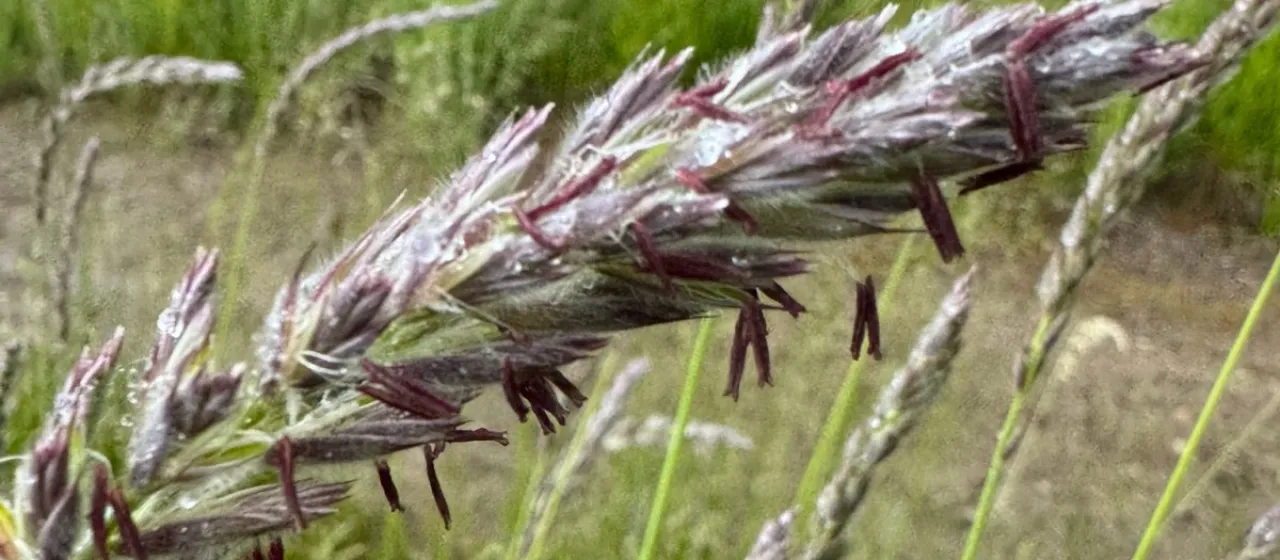
Description
Innovated lyme grass (Leymus innovatus) is a perennial grass species belonging to the Poaceae family. This resilient plant is recognized for its ability to thrive in challenging environments, making it a subject of interest for sustainable agriculture and forage improvement programs in northern regions.
The native range of this species extends throughout the boreal and temperate zones of the Northern Hemisphere. It is particularly well-adapted to cooler climates, where it serves as a key component of natural grasslands. Its evolutionary history has endowed it with significant cold tolerance, allowing it to remain productive in areas with short growing seasons and harsh winter conditions.
Botanically, Leymus innovatus is characterized by its rhizomatous growth habit, which allows it to spread vegetatively and create dense stands. The culms are sturdy and the leaves have a distinct texture. The inflorescence is a robust spike that develops in mid-summer, providing the necessary conditions for seed maturation even in less than optimal weather.
From an agronomical perspective, this crop requires sites with adequate moisture, although it demonstrates commendable drought tolerance once established. Soil conditions should be well-drained, with neutral to slightly acidic pH levels being ideal for optimal development. Nitrogen-based fertilization is typically recommended in early spring to encourage vigorous regrowth after the winter dormancy period.
The primary economic use of this grass is as a forage crop for cattle and wildlife, as it provides high-quality grazing material. Beyond its feed value, Leymus innovatus is highly valued for soil erosion control. Its extensive root system stabilizes soil structures, making it an excellent candidate for revegetation projects in degraded lands or areas prone to wind and water erosion.
- Exceptional winter hardiness
- Excellent soil stabilization properties
- High palatability during vegetative stages
- Strong potential for pasture rejuvenation
Management of pests and diseases is essential for ensuring crop vitality. Common issues include fungal rusts during periods of high humidity and occasional infestation by grass-feeding insects. Field monitoring and the implementation of cultural control methods are considered the most effective strategies for maintaining high biomass yields and long-term crop sustainability.