
Description
Libidibia coriaria, formerly classified as Caesalpinia coriaria, is a significant woody species belonging to the Fabaceae (legume) family. This plant is primarily cultivated for its pods, which are renowned for their exceptional tannin content, making them a cornerstone for traditional and modern leather tanning industries.
The species is native to the tropical regions of Central and South America, extending from Mexico to the Caribbean islands. It thrives in arid and semi-arid environments, demonstrating high resilience to drought conditions and poor, rocky, or sandy soils where other commercial crops would fail.
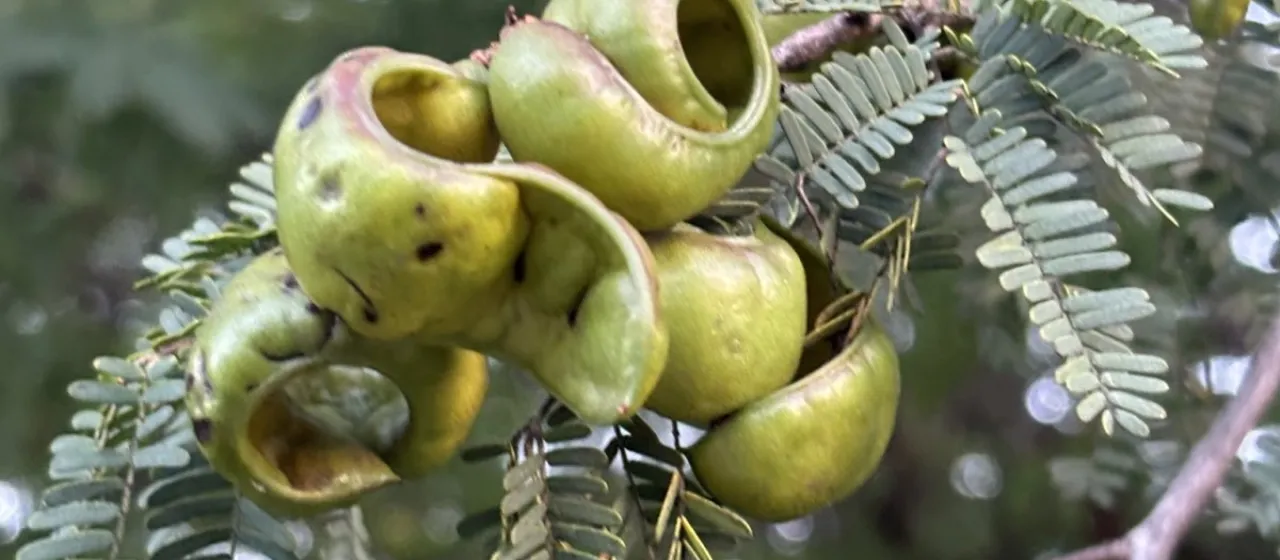
Botanically, it typically develops as a small to medium-sized tree with an open, spreading canopy and delicate, bipinnate leaves. The flowers are small, yellowish, and fragrant, leading to the formation of distinctive, twisted pods that look like a curled letter "S". These pods are the economic engine of the tree.
Agricultural management of Libidibia coriaria focuses on full sun exposure and excellent soil drainage. The plant is drought-tolerant once established, requiring minimal irrigation in most native tropical ranges. Pruning is essential to maintain structural integrity and to facilitate access to the pods during harvest periods.
Economically, the pods are harvested and processed into extracts rich in pyrogallol tannins. These extracts are used not only in leather production but also in the manufacture of high-quality inks, dyes, and various industrial adhesives. Despite its hardiness, growers must remain vigilant against pests that attack the ripening pods, which can significantly reduce the marketable yield.
- High tannin content (up to 50% dry weight).
- Drought-resistant and suitable for marginal lands.
- Valuable in erosion control and tropical agroforestry.
- Fast growth rate in suitable tropical climates.
- Versatile use in chemicals, dyes, and pharmaceutical applications.