
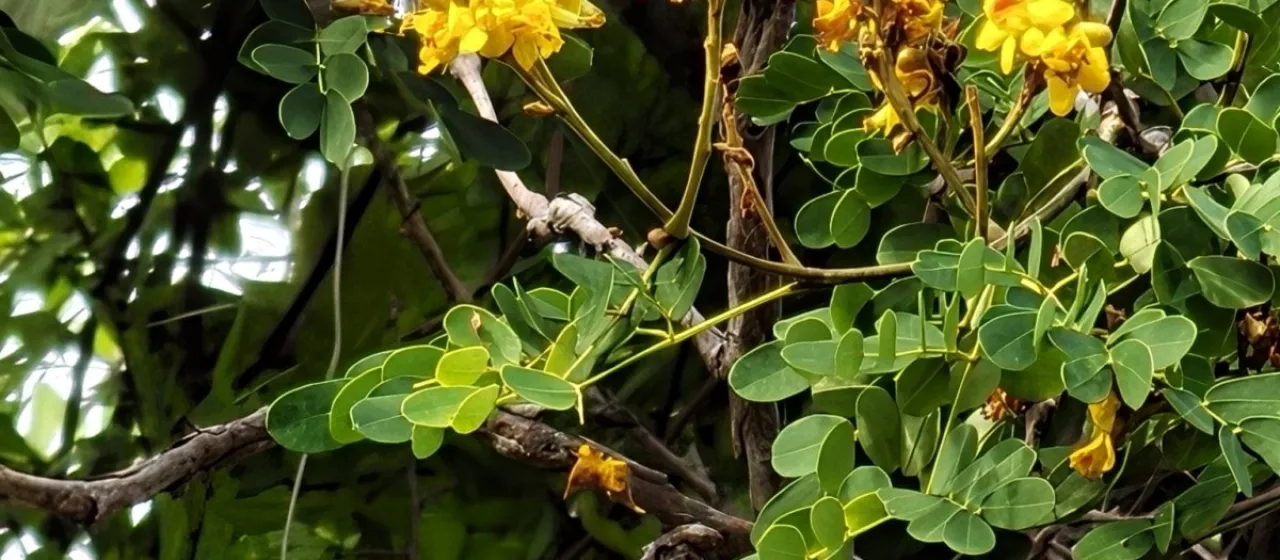
Description
Libidibia sclerocarpa is a perennial woody plant species belonging to the Fabaceae (legume) family. Recognized for its structural integrity and botanical resilience, this tree is a subject of interest in both agroforestry systems and timber production due to its robust biological profile.
The origin of Libidibia sclerocarpa is rooted in the tropical regions of South America. Its cultivation range primarily spans tropical and subtropical zones where environmental conditions favor consistent growth. The plant has historically adapted to varied climates within these latitudes, demonstrating flexibility in different ecosystems.
Botanically, the species is characterized by a sturdy trunk and a complex root architecture that provides stability in diverse soil types. Its leaves are typically pinnate, and the reproductive stage involves the formation of hard, woody pods containing seeds. This "sclerocarpa" trait is a key adaptation to protect the embryo from environmental stressors.
Cultivation requires well-drained soil environments and exposure to high levels of solar radiation. Management practices typically include periodic pruning to ensure structural health and monitoring of soil moisture levels during early development stages. Because it is a legume, the species can thrive in soils that are otherwise low in nitrogen, as it contributes to soil fertility via symbiosis.
The primary economic value of this crop lies in its timber, which is prized for its high density and exceptional durability. The wood is widely utilized in high-end cabinetry, flooring, and various outdoor construction projects. Additionally, the tree is often integrated into landscape restoration efforts to prevent soil erosion and improve the overall productivity of the land.
- Adaptability to nutrient-poor soil conditions.
- Exceptional physical properties of the harvested timber.
- Importance in nitrogen-fixing agricultural practices.
- Vulnerability to specific wood-boring insect species.