
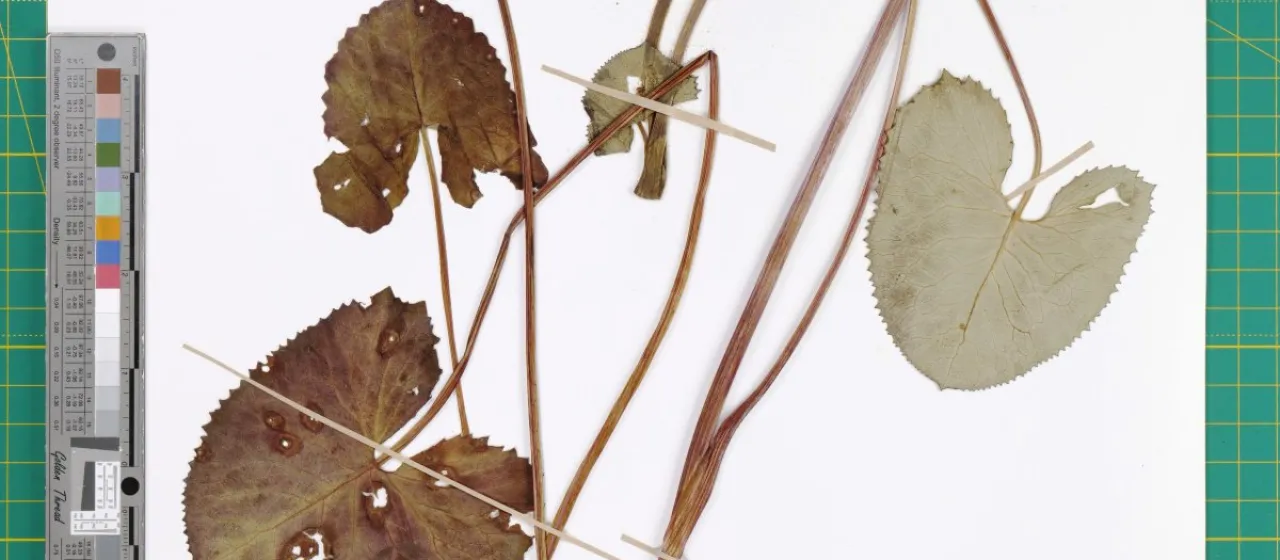
Description
Ligularia bucovinensis is a striking perennial herb belonging to the Asteraceae family. Known for its architectural form and vibrant yellow inflorescences, this plant is primarily cultivated for its decorative value in landscaping, particularly in regions that mimic its natural mountainous habitat.
Originating from the Carpathian mountain ranges, specifically the Bukovina region, this plant has adapted to temperate climates characterized by cool temperatures and significant moisture levels. Its natural distribution is linked to moist meadow soils and riverbanks, where it thrives in conditions that provide constant water supply to its extensive root system.
The botanical structure of this species is defined by a basal rosette of large, often palmate leaves that create a dense ground cover. In mid-summer, strong, upright flower stalks emerge, topped with corymbose clusters of yellow flowers. This foliage-to-flower ratio makes it a standout specimen for large perennial borders or woodland gardens.
Cultivation requirements are strict regarding environmental conditions. Ligularia bucovinensis demands partial to full shade and rich, moisture-retentive soil. It is poorly suited for dry or exposed locations, where it will suffer from leaf scorch and premature wilting. Amending the soil with compost or leaf mold is recommended to ensure long-term vigor.
In garden practice, it is widely used as a structural plant for bog gardens or as a centerpiece in shaded perennial arrangements. Maintenance is relatively low but must prioritize pest management, especially against slugs and snails, which find the succulent foliage highly attractive. Proper spacing is also essential to prevent fungal diseases caused by poor air circulation.