
Description
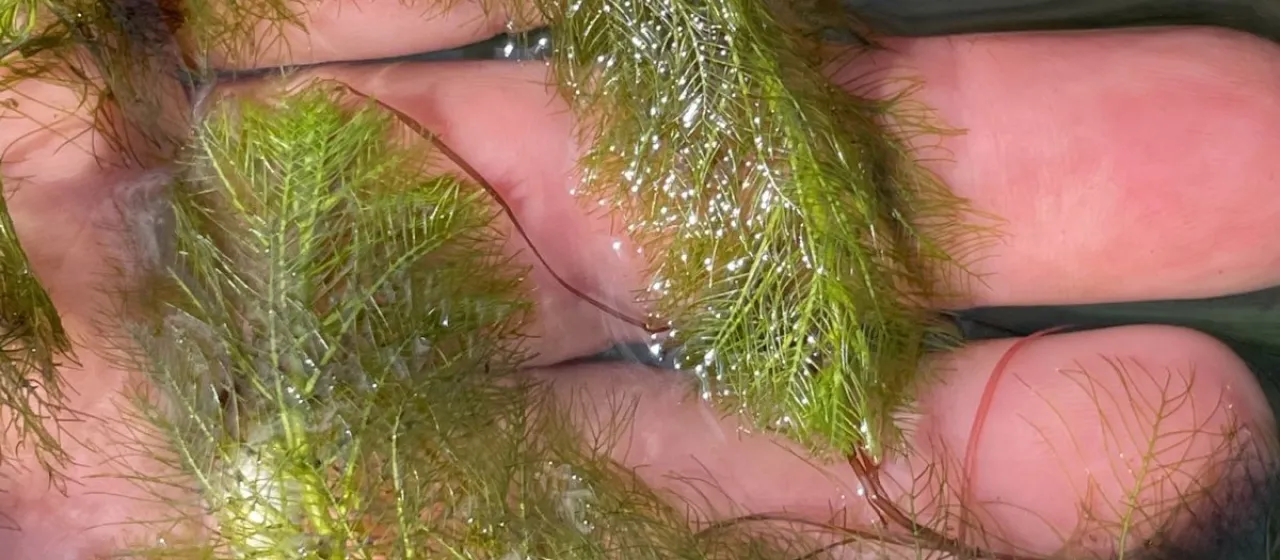
Limnophila ceratophylloides is a perennial aquatic plant belonging to the Plantaginaceae family. As a highly specialized hydrophyte, it has evolved to thrive in environments where the root system is submerged or fully aquatic. The species is noted for its delicate, finely divided foliage that mimics the appearance of Ceratophyllum, which provides its distinctive common and scientific names.
The plant originates from tropical Asia, specifically across India and parts of Southeast Asia. In the wild, it inhabits stagnant or slow-moving freshwater ecosystems such as marshes, ponds, and rice paddies. Due to its tropical origins, the plant is highly sensitive to cold temperatures and requires consistent warmth to maintain its vegetative growth cycles throughout the year.
Botanically, Limnophila ceratophylloides features a whorled leaf arrangement with pinnately divided segments. The plant exhibits significant morphological plasticity; when grown underwater, the leaves become thinner and more feathery, whereas in emergent forms, the leaves are often more robust and less segmented. This adaptability is a key factor in its resilience as a species.
Cultivation requirements for this species are relatively demanding. It prefers a nutrient-rich substrate combined with a water column enriched with micronutrients. Sufficient light intensity is critical; if light levels are insufficient, the lower sections of the plant will deteriorate and shed leaves. Carbon dioxide supplementation is highly recommended to stimulate vigorous growth and prevent stunted development in high-density tanks.
Host-plant utility is primarily centered on ornamental aquarium usage. It acts as an excellent oxygenator and provides shelter for aquatic fry. Typical pests include small gastropods that may consume tender leaf tissue, while common diseases are usually metabolic in nature, often manifesting as iron or potassium deficiencies that lead to yellowing leaves or necrotic spots on the older growth.