
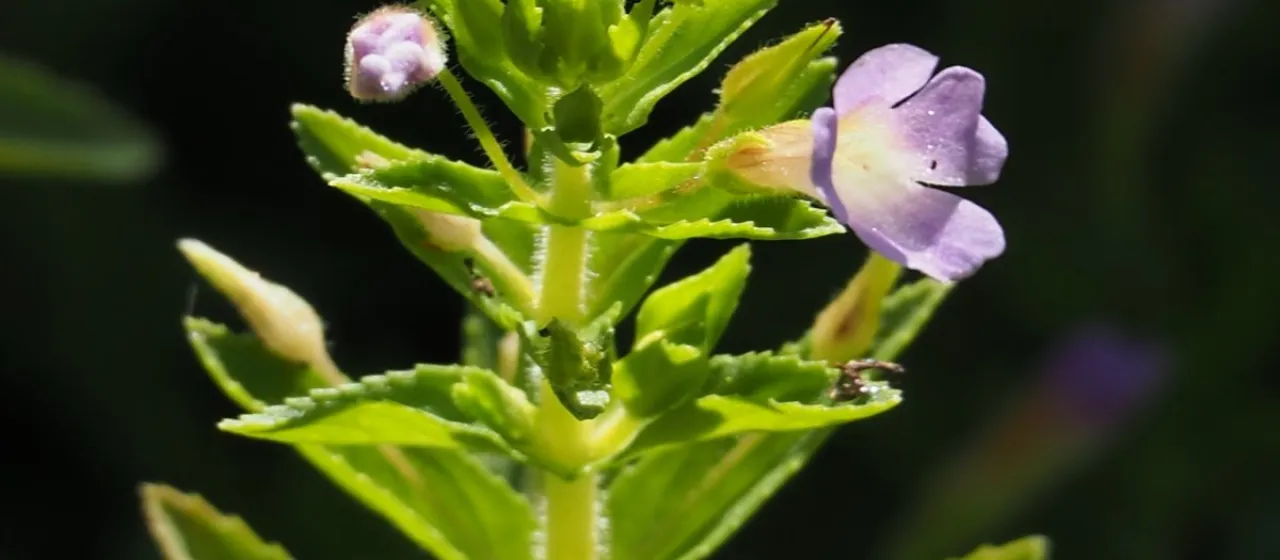
Description
Chinese marshweed (Limnophila chinensis) is an aquatic or semi-aquatic perennial plant belonging to the family Plantaginaceae. Known for its adaptability, this species can flourish both fully submerged in aquatic environments and in saturated soils along marshy riverbanks or paddies.
The plant originates from the tropical and subtropical regions of Asia, including Southeast China, India, and Indonesia. In its natural habitat, it is commonly associated with rice cultivation areas and shallow stagnant water bodies, which have conditioned the plant to thrive in nutrient-rich, warm environments with high light availability.
Botanically, the plant is characterized by erect or creeping stems that can grow up to 30-50 cm in height. The foliage is arranged in whorls, with leaves often appearing serrated or pinnatifid. The color profile can shift from vibrant lime green to reddish-purple depending on the spectral quality and intensity of light exposure.
Successful cultivation requires a warm climate with temperatures maintained between 22°C and 28°C. The soil or substrate should be fine-textured, nutrient-dense, and slightly acidic. Regular pruning is a key agrotechnical requirement to prevent overgrowth and to encourage dense, bushy development, which is essential for its ornamental value.
Commercially, the plant is highly sought after in the aquarium trade for its aesthetic appeal and its role in oxygenating water. It is also utilized in biotope aquariums and outdoor ponds as a natural biological filter, helping to manage water quality by absorbing excess nutrients from the water column.
Common issues faced by cultivators include:
- Invasive algae growth on leaves due to excessive light or nutrient imbalance.
- Root rot if the substrate becomes anaerobic and tightly compacted.
- Nutrient deficiencies, specifically iron and CO2, leading to stunted leaf growth.
- Sensitivity to sudden changes in water chemistry or temperature fluctuations.