
Description
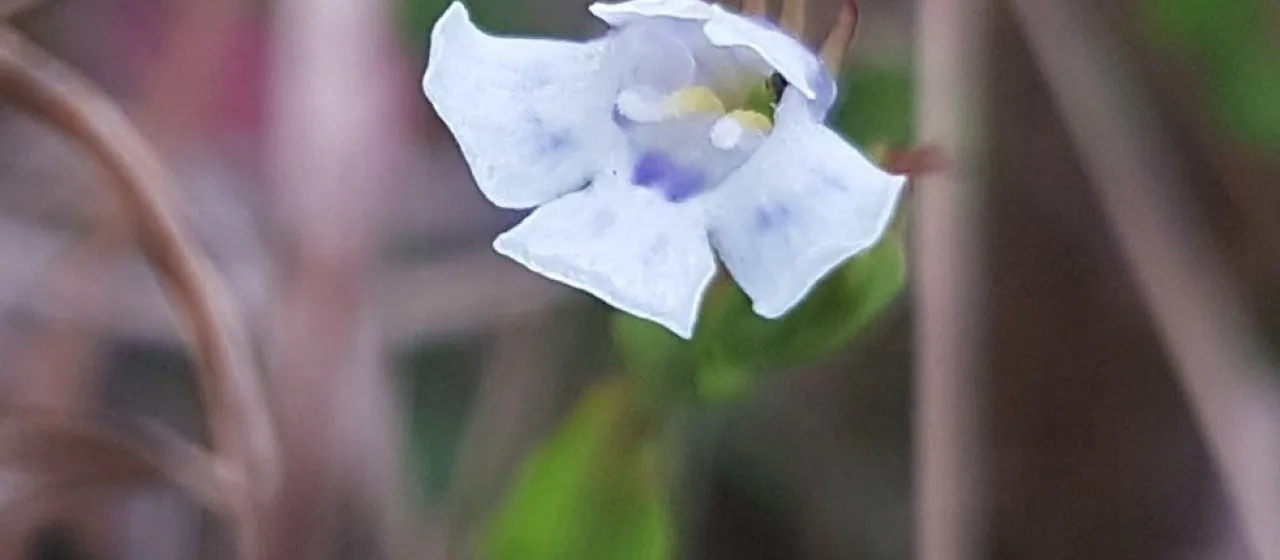
Lindernia parviflora, commonly known as small-flowered lindernia, is a specialized herbaceous plant belonging to the Linderniaceae family. It is recognized in agricultural circles for its unique adaptation to aquatic and semi-aquatic habitats, making it a frequent component in flooded agricultural fields, particularly in tropical regions.
Originating from subtropical and tropical regions of Asia and Africa, this species thrives in diverse wetland environments. Its natural habitat includes the margins of rice paddies, irrigation channels, and shallow freshwater basins. This geographic spread highlights the plant's inherent resilience to fluctuating water levels and tropical temperatures.
Botanically, the plant is characterized by its slender, creeping stems and small, inconspicuous flowers that bloom in favorable light conditions. Its root system is primarily adventitious, allowing the plant to draw nutrients efficiently from saturated soils and aquatic sediments. This structure supports rapid biomass production in favorable warm environments.
Agricultural requirements for Lindernia parviflora demand careful attention to water management and soil chemistry. The plant thrives in nitrogen-rich, alluvial soils with high moisture content. Optimal cultivation involves maintaining constant soil saturation, as the plant lacks effective drought-tolerance mechanisms common in terrestrial crops.
The primary economic use of this plant is observed in ecological agricultural monitoring and as a potential candidate for specialized aquatic farming. While pests like aquatic snails and stem-boring insects may pose challenges, integrated pest management strategies are often employed to maintain field health. Proper nutrient management is essential to prevent competitive weed growth that could suppress this crop.