
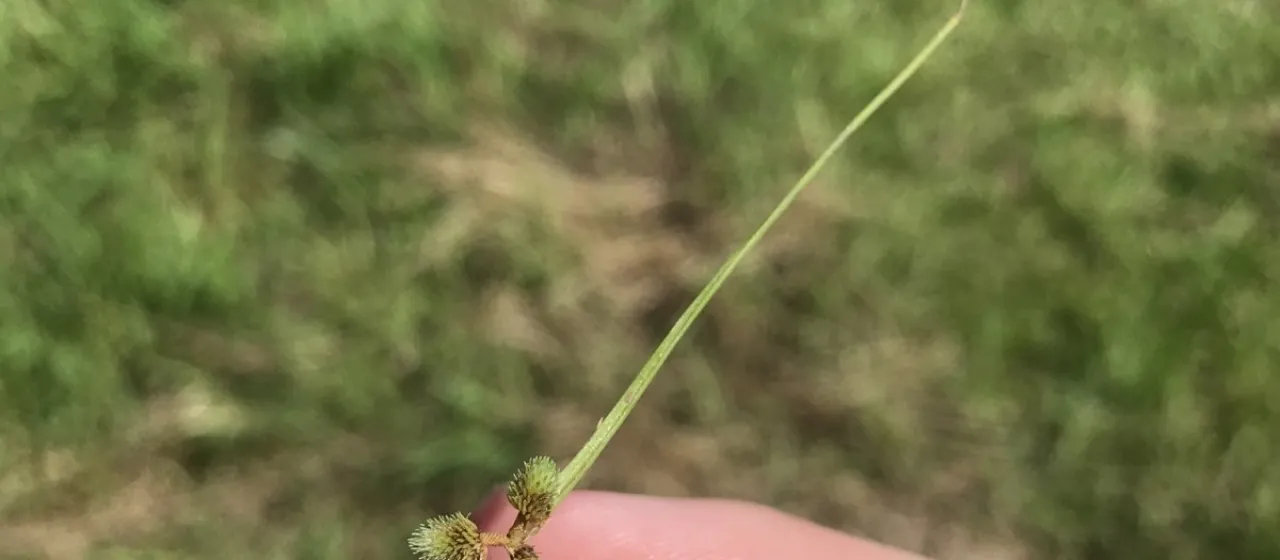
Description
Small-headed lipocarpha (Lipocarpha microcephala) is an annual herbaceous plant belonging to the Cyperaceae family. This species is specifically adapted to water-saturated environments, making it a specialized component of wetland vegetation. Its taxonomy highlights its evolutionary adaptation to marshy habitats and seasonal flooding zones.
The plant originates primarily from tropical and temperate regions across Asia and Australia. It is commonly found in damp areas, including the edges of rice paddies and swampy lowlands. While not a primary global commodity crop, it occupies a significant ecological role in its native regions, contributing to the biodiversity of managed wetland agricultural systems.
Botanically, the plant develops in small, dense clumps with slender stems reaching heights between 10 and 40 centimeters. The leaves are narrow and linear, typical of many sedge-like plants. The most distinctive feature is the inflorescence, which consists of small, globular, and tightly packed spikes surrounded by prominent bracts, ensuring effective seed dispersal in aquatic conditions.
Agricultural management of Lipocarpha microcephala requires maintaining high soil moisture levels and exposure to direct sunlight. It thrives in silt-rich or organic-heavy mud. In terms of economic use, it is rarely cultivated as an intensive crop but is utilized in subsistence farming as secondary fodder or as a plant component in sustainable water management practices in riparian zones.
- Requires consistent water availability for optimal growth.
- Thrives in high-nutrient, muddy soil conditions.
- Demonstrates high tolerance to anaerobic soil environments.
Regarding health management, the plant is relatively resilient to standard agricultural pests, though it may be susceptible to fungal infections during periods of stagnant water and high humidity. Effective cultivation depends on managing water quality and ensuring good drainage control to prevent excessive rot. Biological protection is rarely needed given its hardiness in natural habitats.