
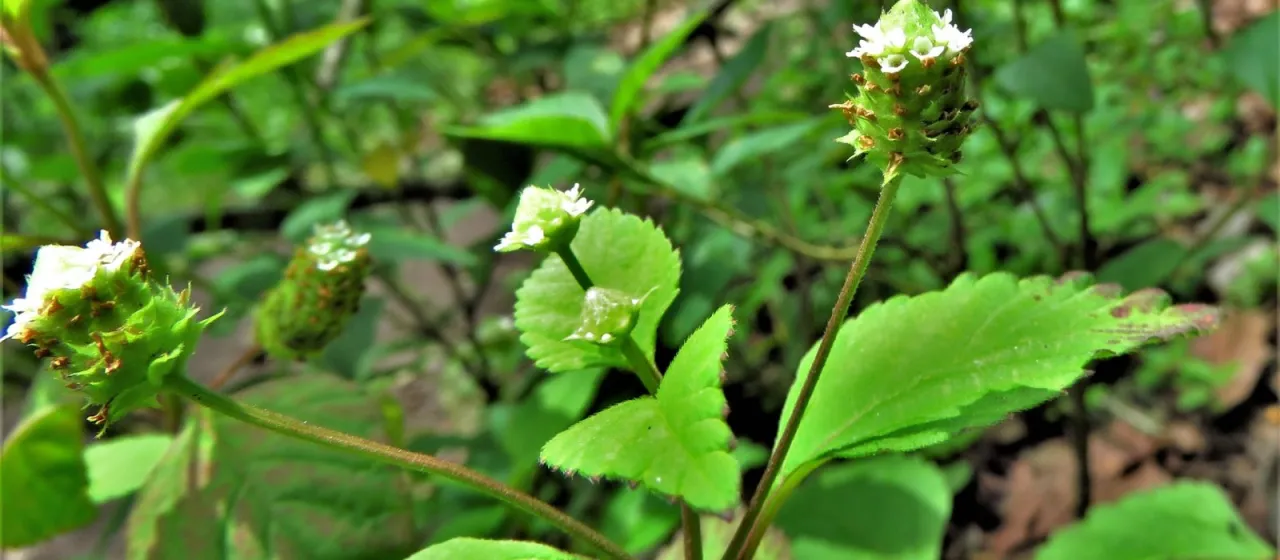
Description
Lippia dulcis, commonly known as Aztec sweet herb, is a perennial herbaceous plant belonging to the Verbenaceae family. The plant is globally recognized for its leaves, which contain hernandulcin, a natural sesquiterpene that is significantly sweeter than sucrose, positioning it as an important alternative sweetener for the food and beverage industry.
The species originates from the tropical regions of Mexico and Central America, where it thrives in warm, humid climates. Due to its tropical origins, it is not frost-tolerant. In temperate zones, it is cultivated primarily as an annual plant or as a container-grown specimen that must be moved indoors before the first autumn frosts arrive.
Botanically, it is a trailing plant with small, ovate, slightly pubescent leaves and inconspicuous white or pinkish flower heads. The plant exhibits a characteristic aromatic profile with notes of peppermint and camphor. Its prostrate growth habit allows it to spread rapidly across the soil surface, making it effective for ground cover in controlled environments.
Cultivation requirements include a sunny location with well-drained, fertile, and organic-rich soil. Consistent moisture is vital; however, the root system is prone to rot if subjected to waterlogged conditions. Propagation is most efficiently achieved through stem cuttings, as seed production is often inconsistent and germination rates can be relatively low.
- Requires temperatures above 15°C for optimal growth.
- Thrives in partial to full sun exposure.
- Responsive to balanced liquid fertilizers during the peak growing season.
- Requires protection from common pests like aphids and spider mites.
The primary economic value of Lippia dulcis lies in its use as a calorie-free herbal sweetener. It is widely utilized in infusions, herbal teas, and as a flavoring agent in various food products. Beyond its culinary appeal, it possesses historical significance in traditional folk medicine, where it was utilized for its expectorant and anti-inflammatory properties.