

Description
Meadow foxtail (Alopecurus pratensis L.) is a perennial, cool-season bunchgrass belonging to the Poaceae family. Known for its exceptional early spring growth, it is one of the first grasses to emerge, providing vital forage for livestock long before other species begin to flourish.
Originating from Europe and temperate parts of Asia, this grass has become a staple in many agricultural systems worldwide, particularly in northern climates. It is highly valued for its natural adaptation to damp environments, including river floodplains and low-lying meadows where other grasses might struggle due to high moisture levels or temporary waterlogging.
Botanically, it features slender, upright stems reaching up to 120 cm in height and a dense, cylindrical, spike-like panicle. This unique inflorescence gives the plant its common name. The foliage is soft and remains nutritious even when it matures, making it a reliable source of green mass throughout the grazing season.
Agronomically, meadow foxtail thrives in fertile, moisture-retentive soils. While it exhibits poor drought tolerance, it is highly responsive to nitrogen fertilization, which significantly boosts biomass production. Successful management involves integrating it into productive leys, ensuring adequate soil moisture, and managing the grazing frequency to maintain the health of the plant's root system.
The primary use of this crop is for high-quality hay production and long-term pasture. It is favored for its rapid regrowth after cutting. However, producers must be aware of potential agronomic challenges that can affect yields:
- Stem rust and leaf rust infections affecting foliage.
- Ergot or smut diseases that compromise seed purity.
- Pests such as grass aphids and frit flies that can damage the developing stems.
Контент-граф
Connections · Meadow foxtail
Most often together:
Marketplace
Products · 10


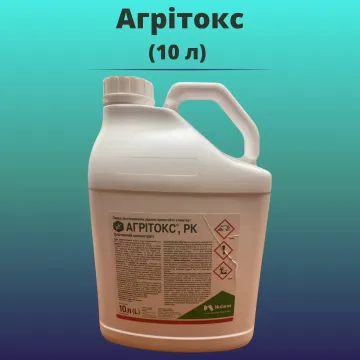
AGROTEX, RK (2-methyl-4-chlorophenoxyacetic acid in the form of dimethyl
Nufarm
Herbicides, Desiccants
0
0
·
21
1 offer
0.9 €за 1 л
Купить
