
Description
Lithraea aroeirinha is a significant woody plant species belonging to the Anacardiaceae family. Known for its robustness and economic potential, this tree is a staple in the ecosystems of South America, frequently utilized in reforestation programs and sustainable forestry due to its resilient nature and high-quality timber.
The native habitat of this species includes the diverse tropical and subtropical regions of Brazil, Paraguay, and parts of Argentina. It is particularly well-adapted to the seasonal dry forests of these regions, thriving in environments where other species might struggle due to erratic rainfall patterns and nutrient-poor, rocky substrates.
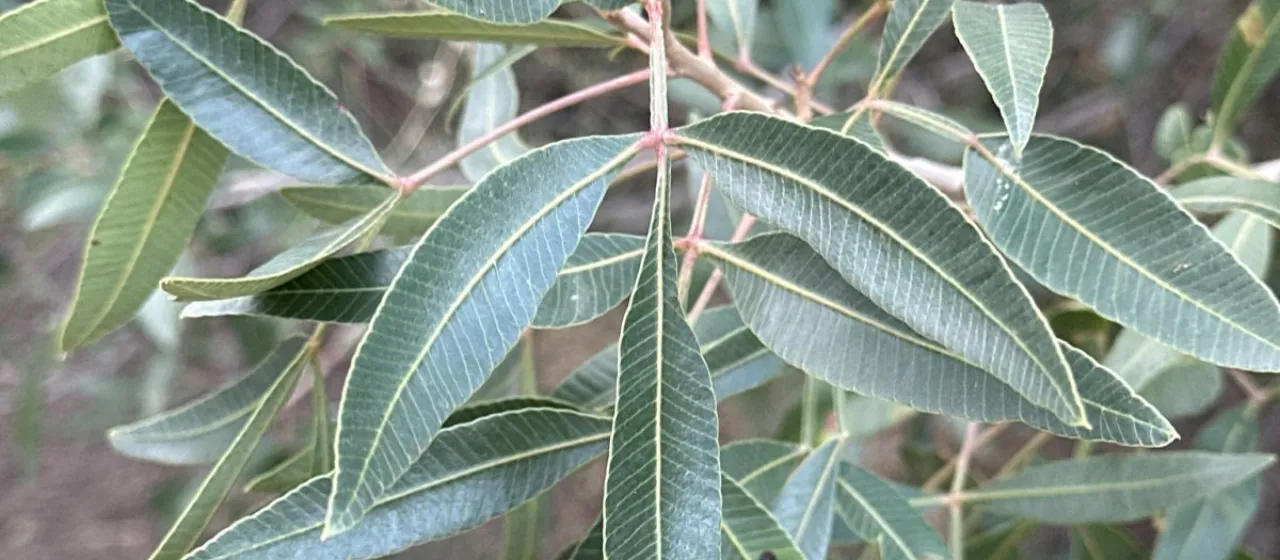
Botanically, it is characterized by its evergreen foliage and a relatively moderate growth rate. The leaves are imparipinnate and provide a dense canopy. The tree produces small, inconspicuous flowers, which are primarily insect-pollinated, followed by small drupes that support local bird populations, thereby contributing to local biodiversity.
Agronomic requirements are focused on providing full solar exposure, which is essential for optimal development. The tree is not overly demanding regarding soil fertility but strictly requires well-drained conditions. In commercial cultivation, soil preparation should involve loosening the ground to promote deep root penetration, which enhances the tree's innate drought tolerance.
Key areas of economic application include:
- Harvesting high-density timber, which is highly resistant to natural decay.
- Processing bark and leaves to extract tannins for the leather and pharmaceutical industries.
- Planting for environmental protection to mitigate soil erosion and recover degraded landscapes.
- Supporting apiculture through its nectar-rich flowers in suitable environments.
Regarding pest and disease management, the species is remarkably resistant. However, like any managed crop, it may be susceptible to root rot if planted in waterlogged soil. Leaf-eating insects are the most common pests, yet these rarely cause significant economic damage in established, healthy stands, provided that standard monitoring and maintenance practices are followed.