
Description
Lithraea brasiliensis is a shrub or small tree belonging to the Anacardiaceae family, commonly known in its native range as aroneira or aroeira-branca. It is recognized for its medicinal potential and unique biochemical composition, making it a subject of interest in both ethnobotany and modern pharmaceutical research.
The species is native to South America, spanning across Brazil, Argentina, Uruguay, and Paraguay. It thrives in diverse habitats, typically found in forests and open woodlands. Its ability to adapt to varying soil types and climate conditions has allowed it to maintain a stable population within its natural range, despite environmental pressures.
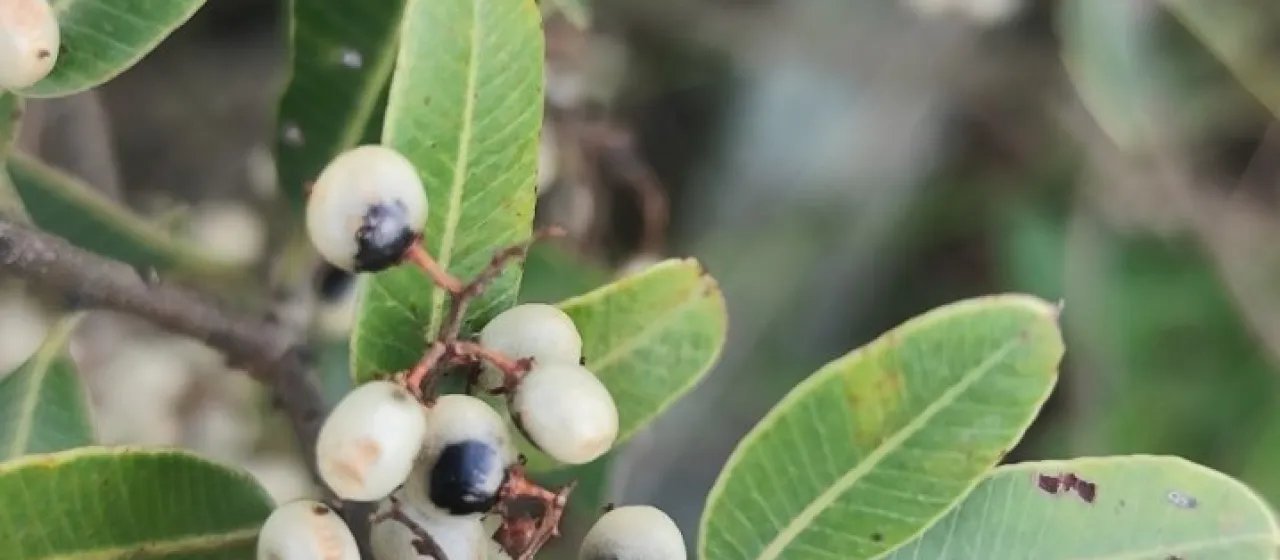
Botanically, the plant features evergreen, leathery leaves and produces small, drupe-like fruits. It is characterized by the presence of essential oils and resinous compounds within its tissues, which function as natural defense mechanisms. These compounds are also the primary reason for its pharmacological value in traditional medicine systems across South America.
In terms of cultivation, Lithraea brasiliensis requires well-draining, nutrient-rich soil and a location with significant sun exposure. It is a warm-climate species, and protection against frost is essential for younger plants. Irrigation management is critical, as the plant is prone to root rot if exposed to waterlogged conditions for extended periods.
The primary economic use of the plant revolves around its medicinal properties, including anti-inflammatory, antiseptic, and expectorant applications. Farmers and herbal producers harvest the leaves and bark for further processing into extracts. Common health issues for the plant include fungal foliage diseases, which are effectively managed by maintaining optimal air circulation and proper plant spacing.