Lomandra hystrix
Lomandra hystrix (R. Br.) L. R. Fraser & Vickery
Description
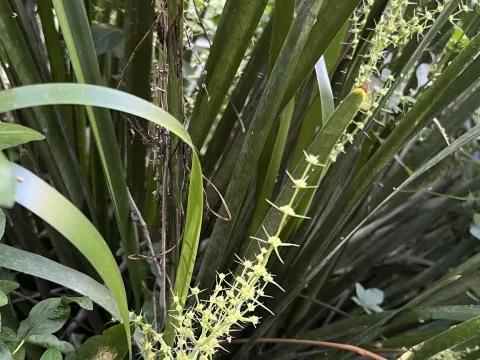
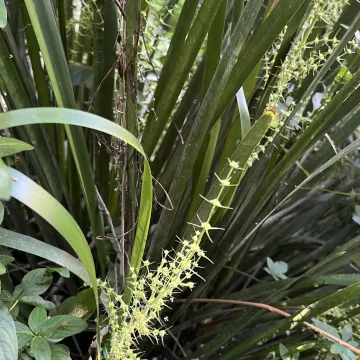
Lomandra hystrix is a robust, evergreen, rhizomatous perennial belonging to the Asparagaceae family. Often referred to as Green Mat Rush, this plant forms dense, arching tufts of dark green, strap-like leaves that create a lush, fountain-like aesthetic. It is widely recognized for its structural foliage and year-round green appearance, making it a staple in modern garden designs.
Native to eastern Australia, this plant is naturally found in diverse environments ranging from lush rainforest understories to riverbanks and rocky outcrops. This origin has endowed it with remarkable adaptability, allowing it to thrive in various climates. In contemporary horticulture, it is cultivated globally for its reliability and low-maintenance characteristics in temperate and warm regions.
Botanically, it is distinguished by its fibrous root system and tough, linear leaves that can grow up to a meter in length. During the warmer months, the plant produces fragrant, yellow-cream flower spikes that nestle within the foliage. Unlike many other grasses, its leaves do not die back seasonally, ensuring the plant remains an effective groundcover or structural element throughout the entire year.
Cultivation of Lomandra hystrix requires minimal intervention. It prefers well-draining soil but can tolerate a wide variety of soil types, including heavy clays and sandy loams. While it is highly drought-tolerant once established, it benefits from occasional irrigation in extreme conditions. The primary maintenance task involves an annual or biennial trim to remove older leaves and rejuvenate the plant’s growth.
- Excellent tolerance to environmental stressors.
- High efficacy in erosion control and soil stabilization.
- Minimal fertilizer and water requirements.
- Outstanding resistance to most common pests and diseases.
The primary use of Lomandra hystrix is in urban and residential landscape architecture. It is perfect for mass plantings, borders, and as an accent plant in rock gardens or containers. Regarding plant health, it is exceptionally disease-resistant. However, in poorly drained sites, growers should monitor for potential crown or root rot caused by excessive moisture accumulation, which remains the only significant threat to its longevity.
Photo gallery