Lomandra
Lomandra longifolia x Lomandra confertifolia
Description
Lomandra (Lomandra longifolia x Lomandra confertifolia) is an ornamental perennial belonging to the Asparagaceae family. This specific hybrid is a result of cross-breeding, designed to combine the robust, upright growth of L. longifolia with the refined, compact texture of L. confertifolia. It forms dense, evergreen tussocks consisting of leathery, strap-like leaves that maintain their aesthetic appeal throughout the entire year.
The culture originates from the Australian continent, where its parent species evolved to thrive in harsh, varying climates. This history makes the hybrid exceptionally well-adapted to environmental stresses, particularly extreme heat and prolonged droughts. Its cultivation is increasingly popular in regions where water conservation and low-maintenance landscaping are prioritized, as it requires minimal supplemental irrigation once established.
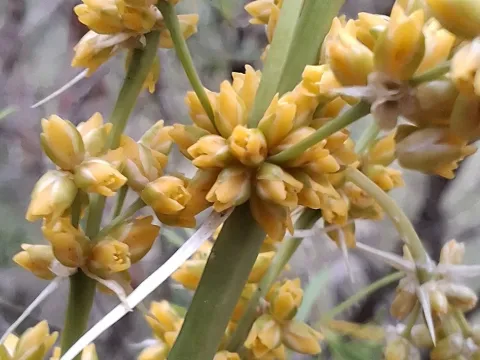
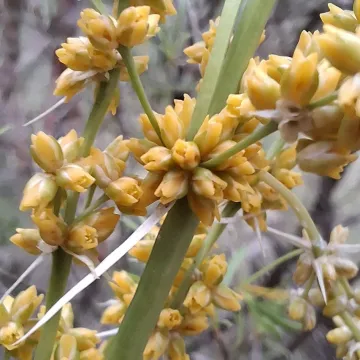
Botanically, Lomandra is distinguished by its tough, fibrous foliage that provides great structural interest. The root system is deep and efficient, capable of seeking out moisture in nutrient-poor soils. During the blooming season, the plant produces distinctive, fragrant spike-like inflorescences that rise above the foliage, adding a unique vertical element to garden designs.
Agronomic requirements are focused on well-drained soil and adequate sunlight. While the plant is quite versatile, it performs best in soils with good aeration to prevent moisture accumulation around the crown. Routine maintenance is minimal, consisting mainly of removing damaged foliage every few years to encourage new growth. It is highly valued for its ability to grow in both full sun and partial shade environments.
The primary horticultural applications for this plant include:
- Erosion control on embankments and slopes due to dense root networks.
- Mass plantings for low-maintenance municipal landscaping.
- Creating modern, architectural garden displays.
- Use in large containers or decorative pots for patios and entryways.
Regarding plant health, Lomandra is noted for its high resistance to common pests and diseases. Providing that the planting site offers excellent drainage, the risk of crown rot or fungal issues remains negligible. This inherent hardiness allows growers to maintain the plant with very little chemical intervention, making it an excellent candidate for sustainable and eco-friendly landscaping projects.
Photo gallery