
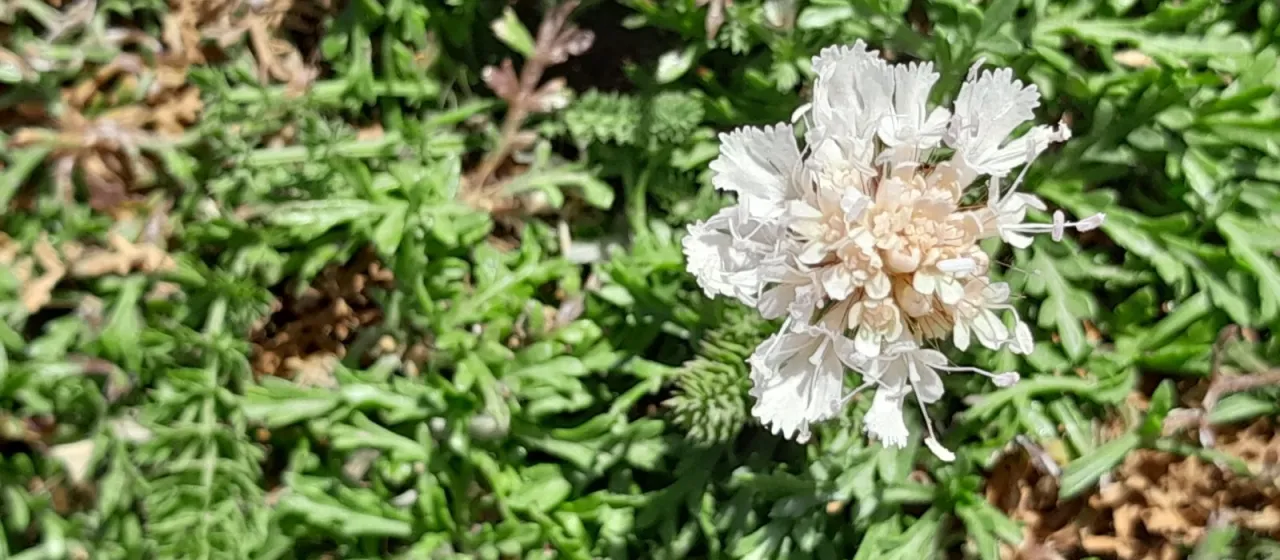
Description
Lomelosia crenata is a perennial herbaceous plant belonging to the Caprifoliaceae family. Historically, this species was frequently classified under the genus Scabiosa, but recent taxonomic revisions have placed it within the genus Lomelosia based on its unique morphological characteristics. It is increasingly recognized for its value in ornamental horticulture and sustainable gardening.
The native range of Lomelosia crenata extends across Southern Europe, the Caucasus, and parts of Western Asia. It typically thrives in open, sun-drenched habitats, such as dry rocky slopes and meadows. The plant is well-adapted to environments where soil moisture may be limited during the peak summer months, reflecting its semi-xerophytic nature.
Botanically, the plant features a basal rosette of leaves and slender, upright flowering stems. The flowers are arranged in dense, head-like inflorescences that often display attractive shades of blue and lilac. Its extended flowering period makes it a reliable choice for gardens seeking to provide continuous color from late spring into the summer months.
Cultivation success depends on providing a well-draining, neutral to slightly alkaline soil. Lomelosia crenata performs best in full sun and requires minimal irrigation once established; overwatering is the most common cause of failure in agricultural settings. Soil aeration is critical, especially in areas with heavier clay composition where mineral amendments may be necessary.
In terms of usage, the plant serves primarily as an ornamental species that supports biodiversity by attracting bees, butterflies, and other pollinators. Pests that may affect its health include aphids and spider mites, particularly in greenhouse conditions. Proper site selection and avoiding overhead irrigation can significantly mitigate the risk of common fungal diseases.