Luculia
Luculia pinceana x Luculia gratissima
Description
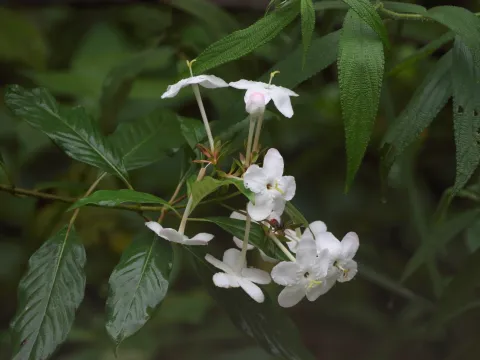
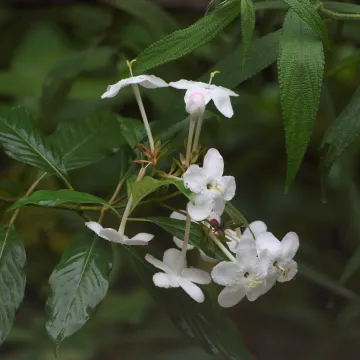
Luculia (Luculia pinceana x Luculia gratissima) is an exquisite hybrid shrub belonging to the Rubiaceae family. It is highly prized by horticulturists for its spectacular, large clusters of fragrant flowers, which bloom in shades of pink and white, filling the surrounding air with a rich, perfume-like scent reminiscent of gardenias.
Originating from the mountainous regions of the Himalayas, this plant thrives in environments that offer cool temperatures and consistent humidity. Due to its specific climate requirements, it is widely utilized as a conservatory or greenhouse plant in many parts of the world, serving as a focal point for winter displays when other plants are dormant.
The botanical structure of the plant features bold, evergreen leaves with prominent veins, creating a lush canopy. When cultivated under optimal conditions, the plant can grow into a substantial shrub, although its size is typically managed in domestic settings through careful pruning and container selection to maintain a compact, bushy habit.
Successful cultivation of Luculia depends heavily on providing the right soil medium, which should be acidic, rich in organic matter, and well-drained. The plant demands a stable environment; significant fluctuations in temperature or moisture can result in bud drop. During the active growth phase, consistent moisture is essential for supporting the development of its large flower heads.
- Light requirements: bright, filtered light (avoid direct harsh sun).
- Watering: consistent moisture during growth, reduced in winter.
- Soil pH: slightly acidic preferred for optimal nutrient uptake.
- Maintenance: light pruning after flowering to encourage dense branching.
Regarding pest management, Luculia is occasionally susceptible to common greenhouse pests such as spider mites, whiteflies, and aphids. These infestations are most prevalent in low-humidity environments. Maintaining good air circulation and monitoring the plant's health regularly are the best practices for preventing fungal issues, such as root rot, which is often caused by overwatering.
Photo gallery