
Description
Luehea divaricata is a perennial tree species belonging to the Malvaceae family, recognized for its robustness and significant ecological role. Known in its native range by various local names, this tree can reach substantial heights, often forming an extensive canopy that provides vital shelter for other forest species within its native habitat.
The species originates from the tropical and subtropical regions of South America, spanning across Brazil, Argentina, Paraguay, and Uruguay. It thrives in diverse environmental conditions, including woodland edges and open savannas. Its ability to tolerate varying levels of moisture makes it a versatile species for reforestation projects aimed at restoring degraded landscapes.
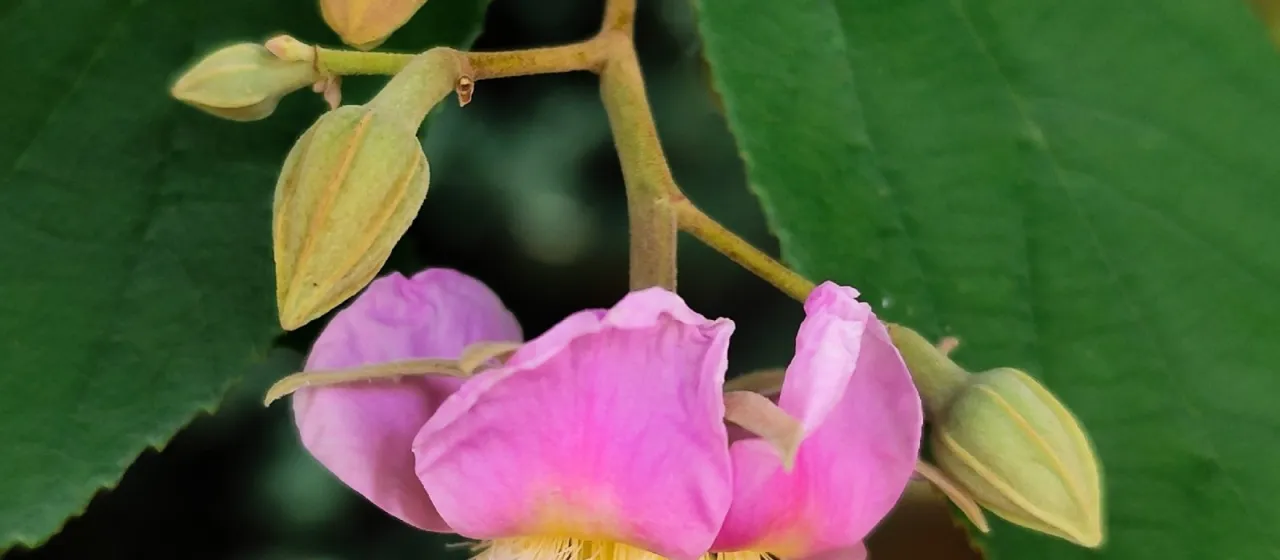
Botanically, the tree displays simple, alternate leaves with a characteristic velvety texture on the underside. The flowering process yields delicate, aromatic blossoms that serve as an important nectar source for pollinators. The fruit, a dry dehiscent capsule, contains numerous winged seeds, an evolutionary adaptation that facilitates efficient wind-assisted dispersal across diverse terrains.
Agricultural and silvicultural requirements for Luehea divaricata focus on well-drained soils and adequate exposure to sunlight. While the species is relatively low-maintenance once established, young seedlings require protection from extreme frost and competitive weed pressure. Proper spacing is essential to ensure maximum growth rates and to facilitate subsequent forest management activities.
The economic and practical utility of this species includes:
- Production of high-quality, durable timber for carpentry and fine woodworking.
- Traditional medicinal use of the bark, which contains bioactive compounds with anti-inflammatory properties.
- Utilization as an ornamental tree in public landscape designs.
- Application in erosion control due to its expansive and deep root architecture.
Common threats to the health of Luehea divaricata include fungal pathogens that thrive in waterlogged conditions and certain insect pests, such as leaf-eating beetles and wood-boring larvae. Effective management involves maintaining optimal soil drainage, conducting routine monitoring for pest presence, and applying appropriate biological or chemical controls when necessary to safeguard the vigor of the trees.